NAND Flash Prices Surge: Understanding the Factors and Implications
2025-03-18
In March 2025, the global storage market experienced a rare wave of price increases. Major NAND flash manufacturers, including Micron, Samsung, SK Hynix, SanDisk, and Yangtze Memory Technologies (YMT), announced plans to raise product prices starting in April. The average price increase exceeded 10%, significantly surpassing market expectations. This round of price hikes not only reflects the effects of supply-side production cuts but also highlights the robust demand growth driven by AI technology.
Reasons for NAND Flash Price Increase
1. Significant Production Cuts
Since the fourth quarter of 2024, major global NAND flash manufacturers have successively resumed production cut measures. Samsung, SK Hynix, Micron, and Kioxia have reduced production by 15% to 25%. For instance, Samsung cut production by about 20%, while SK Hynix reduced output by more than 10%, aiming to alleviate the oversupply situation in the market. Additionally, a power outage at Micron's Singapore factory in January 2025 damaged some wafer capacity, further tightening the supply.
2. Strong AI-Driven Demand
The rapid development of AI technology has spurred demand for high-capacity storage, especially for enterprise-level SSDs. The demand for high-capacity storage products in fields such as AI servers, data centers, and smart vehicles has surged, consuming a significant portion of storage capacity. Moreover, the recovery of the consumer electronics market has also supported storage demand. Nvidia expects to increase shipments of AI products in the second half of 2025, with enterprise-level SSD demand projected to grow by over 30%. The integration of AI functions into consumer products, such as AI-enabled smartphones and PCs, has further driven up storage demand.
3. Industry Cycle Reversal Signal
The storage industry has experienced an oversupply and price decline cycle since 2023. In early 2025, manufacturers adjusted production strategies and reduced output to gradually correct the supply-demand imbalance. TrendForce predicts that the NAND Flash market will see a price recovery in the second half of 2025.
Pricing Dynamics of Major Manufacturers
- Micron: Due to the power outage at its Singapore factory, Micron has raised new order prices by an average of 11%. The company also plans to implement a comprehensive price increase for channel and consumer products starting April 1.
- SanDisk: On March 6, SanDisk issued a price increase notice, announcing that starting April 1, it will raise prices for all NAND Flash products sold to channel and consumer customers by more than 10%. The company indicated that further price adjustments may be made in the coming quarters.
- Samsung and SK Hynix: Both companies plan to follow suit with price increases starting in April, with an expected increase of around 10%. They have already reduced production by more than 10% in the first quarter of 2025 compared to the second half of 2024.
- Yangtze Memory Technologies (YMT): YMT's ZhiTai brand has also announced that it will raise channel purchase prices starting in April. The specific increase has not been disclosed, but it is expected to exceed 10%.
Market Impacts
The current wave of price increases in the NAND flash market has had far-reaching impacts on the downstream industry chain. In the smartphone market, the rise in storage chip prices has directly increased procurement costs for mobile phone manufacturers. This may force manufacturers to adjust their product strategies, such as reducing the supply of high-storage models or raising product prices. For consumers, the extended replacement cycle and increased price sensitivity may suppress some consumption demand, affecting the overall market activity.
In the data center and AI fields, despite the continuous growth in demand for high-capacity storage in AI servers, the price increase trend may raise operational costs for data centers, prompting them to seek more cost-effective solutions. Meanwhile, the widespread adoption of AI technology has accelerated the demand upgrade for high-end storage products, such as HBM and DDR5. This has led major manufacturers like Samsung and Micron to shift resources towards high-end production lines. Domestic manufacturers also need to accelerate technological follow-up to cope with competition.
Future Trends and Outlook
Looking ahead, the price trend of the NAND flash market is likely to follow a V-shaped trajectory. In the short term, driven by production cuts and the growth in AI demand, prices are expected to recover in the second half of the year. However, in the long run, if demand recovery falls short of expectations, the sustainability of price increases will face challenges. Technological innovation will be the key driver of market development. The accelerated penetration of QLC technology and the increased storage performance requirements of AI smartphones will push NAND flash towards higher density and lower power consumption. Meanwhile, the rise of next-generation storage technologies, such as ReRAM and MRAM, may impact the NAND flash market landscape. Manufacturers need to make early strategic moves to address future challenges.
In terms of market competition, leading manufacturers will continue to dominate the market. However, domestic storage manufacturers, leveraging their capacity advantages and low-cost inventory, are expected to expand their share in the global market. Policy support and the trend of domestic substitution provide a broad development prospect for the domestic storage industry. Nevertheless, to break through technological barriers and enhance competitiveness, domestic manufacturers need to strengthen ecological cooperation, deepen collaboration with AI chip manufacturers and data center operators, and jointly address market demand changes.
Conclusion
The current wave of price increases in the NAND flash market is the result of the combined effects of supply-demand imbalance, cost-driven factors, and technological upgrades. The reduction in supply and the robust growth in demand have jointly driven the price recovery, while the rapid development of AI technology has injected new vitality into the storage market. In the future, as the supply-demand situation further improves, the storage industry is expected to enter a new growth cycle. For end consumers and industry chain enterprises, how to cope with the cost pressures brought by price increases will be a key issue in the next stage.
Semicon Electronics ICs Supplier
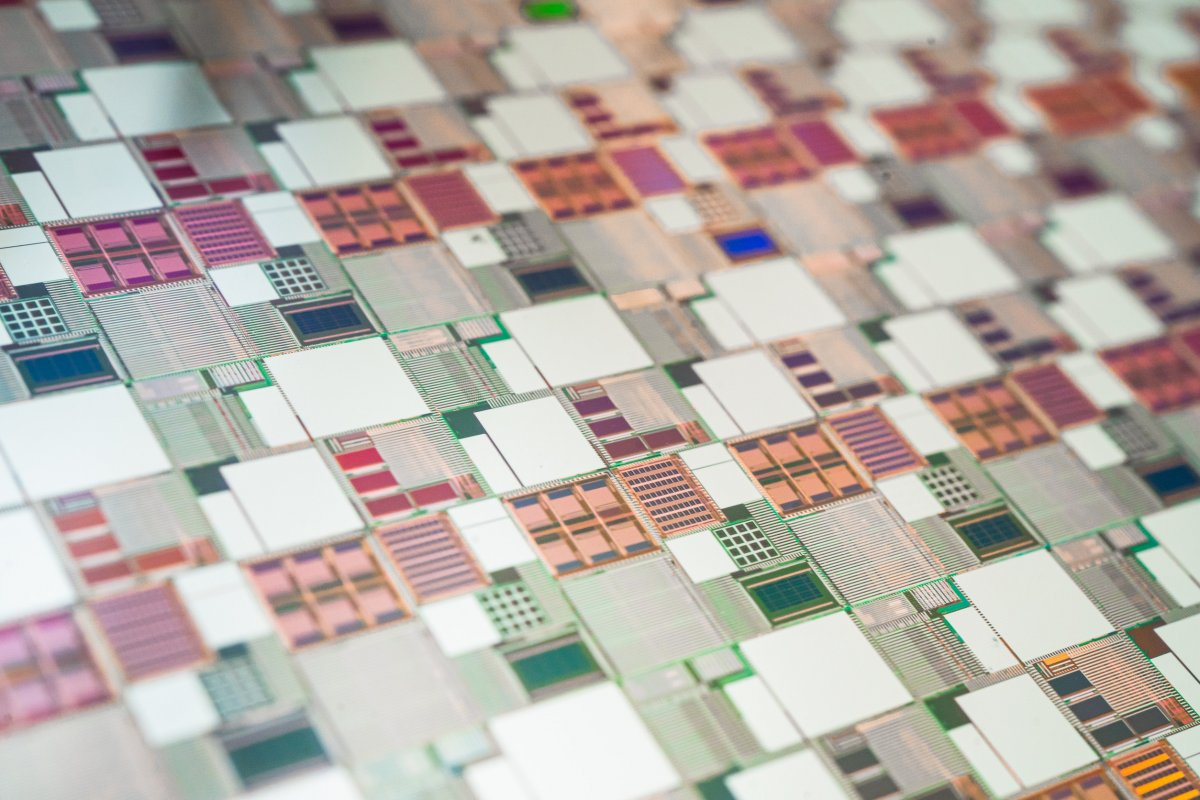 Semicone, your reliable ic partner, provides top-tier integrated circuit semiconductors. Semicone's vast inventory of premium IC components guarantees that you always have access to the exact parts you need. Explore our lastest popular chips.
- The MCP1317T-29LE/OT is a voltage supervisor IC designed by Microchip Technology, featuring a 2.9V threshold voltage, active-high/push-pull reset output, watchdog timer, and manual reset input.
- The NCV7351D10R2G is a high-speed CAN transceiver designed by ON Semiconductor, compatible with the ISO 11898-2 standard. It operates within a voltage range of 4.5V to 5.5V, supports data rates up to 1 Mbps, and features low sleep mode current, excellent electromagnetic sensitivity (EMS), and low electromagnetic emission (EME).
- The TLV61220DBVR is a low-input-voltage boost converter from Texas Instruments, featuring a wide input voltage range of 0.7V to 5.5V and an adjustable output voltage from 1.8V to 5.5V. It supports up to 220mA output current, operates with a low quiescent current of 5.5μA, and achieves up to 95% efficiency.
Email: info@semicone.com
Alphabet Agrees to Acquire Cybersecurity Firm Wiz for $32 Billion
SK Hynix's NAND Flash Innovations: LPW NAND and 400-Layer NAND
Related Article

Ericsson will merge Northeast Asia with Southeast Asia, Oceania and India into one APAC unit and dissolve its enterprise wireless division, effective Jan 1, 2027.
Ericsson Merges Asia-Pacific Regions, Dissolves Enterprise Wireless Division
NVIDIA prepays KYEC to secure US testing capacity. KYEC and its AeternZ subsidiary will build the capacity, repayment offsets future service fees.
NVIDIA Prepayment Lock KYEC's US Testing Capacity