Ericsson Merges Asia-Pacific Regions, Dissolves Enterprise Wireless Division
2026-10-16
On October 15, 2026, Ericsson announced a streamlining of its operating structure and executive team, effective January 1, 2027. The move involves two main actions: merging the existing Northeast Asia market area with the Southeast Asia, Oceania, and India market area into a single Asia-Pacific (APAC) market area; and dissolving the Business Area Enterprise Wireless Solutions (BEWS), dispersing its product lines across other parts of the company.
The APAC market area will be led by Patrick Johansson, currently head of EMEA, in addition to his existing role, while Ericsson will begin recruiting a new EMEA head. Chafic Nassif, current head of Northeast Asia, and Andres Vicente, head of Southeast Asia, Oceania, and India, will assist in forming the new unit and will step down after handing over responsibilities on December 31, 2026. Åsa Tamsons, head of BEWS, will also leave on the same date. All three will exit the executive team.
Rationale Behind the BEWS Split
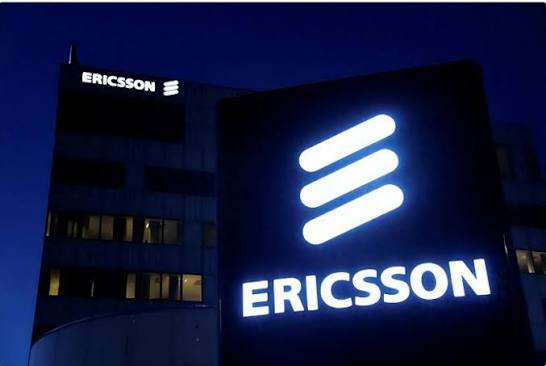 The fate of the enterprise wireless solutions division is noteworthy. Under the new structure, Neutral Host solutions and Ericsson Private 5G will be integrated into the Networks business area, alongside existing indoor technology units. Wireless WAN solutions will remain a standalone business, reporting to Yossi Cohen, head of the Americas market area. The core asset of Wireless WAN is Cradlepoint, which Ericsson acquired in 2020 for $1.1 billion.
Indoor and enterprise solutions are seen as future growth areas, as high-performance mobile networks are creating new use cases such as AI agents and differentiated connectivity. Merging Private 5G and Neutral Host into the Networks unit helps concentrate indoor technology R&D resources, while keeping Wireless WAN independent and reporting to the Americas unit is intended to more closely align with key customers.
Financial Background and Market Signals
The restructuring coincides with Ericsson's third-quarter earnings release. Organic sales grew 7% year-on-year, with reported sales of SEK 59.5 billion, mainly driven by the Networks business. Northeast Asia grew 22% and Southeast Asia, Oceania, and India grew 25%, making them the fastest-growing regions. The strong performance in Asia-Pacific provided the business basis for merging the two regions—the combined market area is larger and more operationally efficient.
However, Ericsson also warned of future challenges. Adjusted EBITA fell to SEK 9.2 billion from SEK 15.5 billion a year earlier, partly due to higher restructuring charges and a one-off gain in the year-ago period. Narvinger noted that satellite internet services such as Starlink are increasingly competing with telecom operators.
SEMICONE Chip Supply Services
As an IC distributor, SEMICONE's differentiated service focuses on one-stop procurement: customers can submit a BOM list, and SEMICONE handles cross-category spot inventory searches and consolidated delivery, reducing the cost of dealing with multiple suppliers. Below is SEMICONE's in-stock IC parts list:
|
Model
|
Manufacturer
|
Category
|
Key Specifications
|
|
YAGEO
|
MLCC capacitor
|
10µF, 25V, X5R, ±10%, 0805
|
|
|
TI
|
N-channel MOSFET
|
30V, RDS(on) 1.2mΩ@10V
|
|
|
TI
|
Voltage reference
|
2.048V output, ±0.1% accuracy, 3ppm/°C drift, SOIC-8
|
|
|
Analog Devices
|
Sample-and-hold amplifier
|
DC-18GHz bandwidth, 4GS/s sample rate, LCC-24
|
|
|
Infineon
|
N-channel MOSFET
|
55V, 42A, RDS(on) 8mΩ@10V, TO-252AA
|
For chip component inquiries, please contact SEMICONE for quotes and lead times.
Email: info@semicone.com
NVIDIA Prepayment Lock KYEC's US Testing Capacity
Related Article
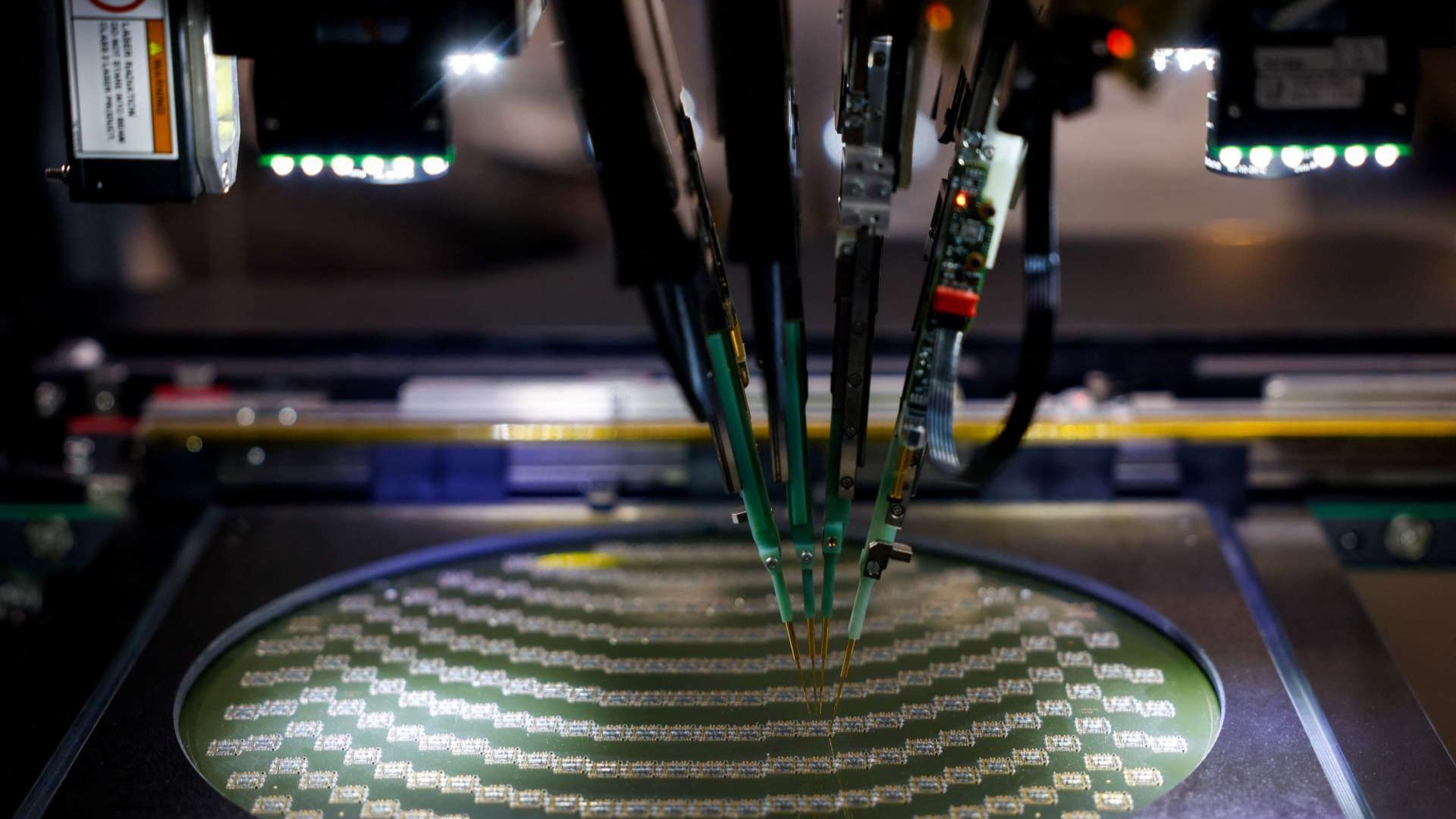
NVIDIA prepays KYEC to secure US testing capacity. KYEC and its AeternZ subsidiary will build the capacity, repayment offsets future service fees.
NVIDIA Prepayment Lock KYEC's US Testing Capacity

Microchip acquired VORAGO and Hailo. VORAGO adds HARDSIL tech, Hailo brings 26 TOPS processors. Both deals closed in 2026.
Microchip's Two Acquisitions: Aerospace & Defense and Edge AI

