Micron Technology: A History of Innovation and Growth
2024-09-30
Micron Overview
Micron Technology, Inc., founded in 1978 and headquartered in Boise, Idaho, is a leading global semiconductor company. Specializing in the production of DRAM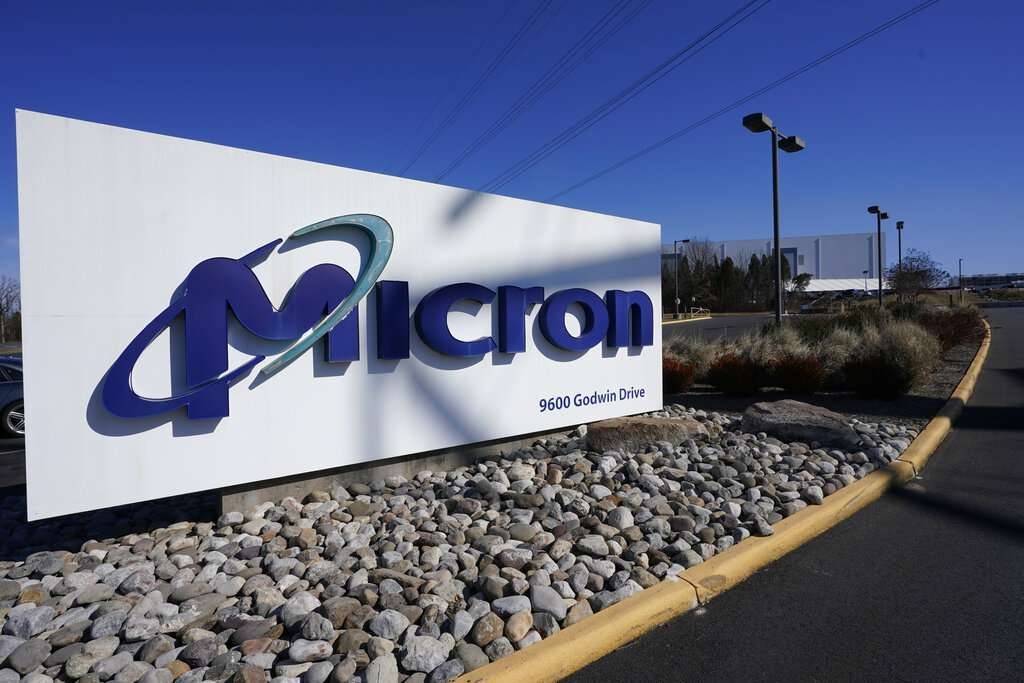 (Dynamic Random Access Memory), NAND flash memory, and CMOS image sensors, Micron's products find widespread applications in computers, smartphones, data centers, automotive electronics, and more. From its humble beginnings as a small startup, Micron has evolved into a major player in the global semiconductor storage market.
(Dynamic Random Access Memory), NAND flash memory, and CMOS image sensors, Micron's products find widespread applications in computers, smartphones, data centers, automotive electronics, and more. From its humble beginnings as a small startup, Micron has evolved into a major player in the global semiconductor storage market.Micron Semiconductor Inc Development History
- Early Days (1978-1980s)
Micron's journey began in an unconventional setting: the basement of a dental office in Boise, Idaho. Founded by Ward Parkinson, Joe Parkinson, Dennis Wilson, and Doug Pitman in 1978, the company initially focused on developing and manufacturing DRAM. By 1980, Micron had constructed its first production facility. The company achieved significant technological breakthroughs in DRAM, introducing the world's smallest 256K DRAM, laying a solid foundation for its future growth.
- Expansion and Diversification (1990s-2000s)
The 1990s marked a period of rapid expansion for Micron. In the early 1990s, the company established Micron Computers to enter the personal computer market. Subsequent acquisitions enabled Micron to expand its product line, venturing into NAND flash memory and CMOS image sensors. These acquisitions not only diversified Micron's product portfolio but also increased its market share in the global semiconductor industry. Concurrently, Micron established manufacturing facilities and sales networks worldwide, transforming into a global semiconductor company.
- Technological Innovation and Market Challenges (21st Century)
The 21st century brought intensified market competition for Micron. The company invested heavily in research and development in the NAND flash memory segment, launching a series of high-performance products to compete with industry giants like Samsung and Intel. Micron also spun off its CMOS image sensor business into a separate company, focusing on its storage business. To navigate the cyclical nature of the semiconductor industry, Micron adjusted its product mix and optimized production processes to overcome challenges.
Micron Core Business and Products
Micron's core business encompasses DRAM (Dynamic Random Access Memory), NAND flash memory, and CMOS image sensors.
- Micron DRAM: As Micron's primary business, DRAM is widely used in computers, servers, and smartphones to provide fast, temporary data storage.
- Micron NAND flash memory: NAND flash memory is primarily used in solid-state drives (SSDs), USB flash drives, and other storage devices. It offers non-volatility, high density, and fast read speeds.
- Micron CMOS Image Sensors: CMOS image sensors are extensively used in digital cameras, smartphones, and surveillance systems to convert light signals into electrical signals for image capture.
Micron Brand Advantages
Micron boasts a deep-rooted technological foundation in the semiconductor industry, continuously introducing new-generation products to maintain its industry leadership. The company's diverse product line caters to the needs of a wide range of customers. With a global presence spanning research, production, and sales, Micron offers localized services to customers worldwide. Moreover, Micron is committed to environmental sustainability and social responsibility, fostering a culture of corporate sustainability. These advantages have solidified Micron's competitive position in the global semiconductor market.
Conclusion
Micron's journey from a humble startup to a global semiconductor leader is a testament to its unwavering commitment to innovation and market expansion. As the world becomes increasingly reliant on electronic devices, Micron is poised to continue driving the semiconductor industry forward, delivering groundbreaking innovations that benefit society. In the competitive landscape of global semiconductor storage, Micron will continue to vie with industry giants like Samsung and Intel, providing reliable storage solutions to consumers and businesses worldwide.
Buy Micron Memory chip in Semicone Store
- The M29F400BT70N6 from Micron Technology is a 4Mbit parallel Flash memory IC with a fast 70 ns access time, designed for reliable data storage in various applications.
- The M25P32-VMF6P from Micron Technology is a 32Mbit SPI NOR Flash memory with a 75 MHz clock frequency, designed for high-speed data storage.
- The MT48LC16M8A2FB-75 IT:G TR from Micron Technology is a 128Mbit SDRAM designed for high-speed data processing and memory-intensive applications.
Email: info@semicone.com
DC-DC Converter Analysis: A Comprehensive Guide from Principles to Future Trends
Clock Timing ICs: A Comprehensive Guide
Related Article

Ericsson will merge Northeast Asia with Southeast Asia, Oceania and India into one APAC unit and dissolve its enterprise wireless division, effective Jan 1, 2027.
Ericsson Merges Asia-Pacific Regions, Dissolves Enterprise Wireless Division
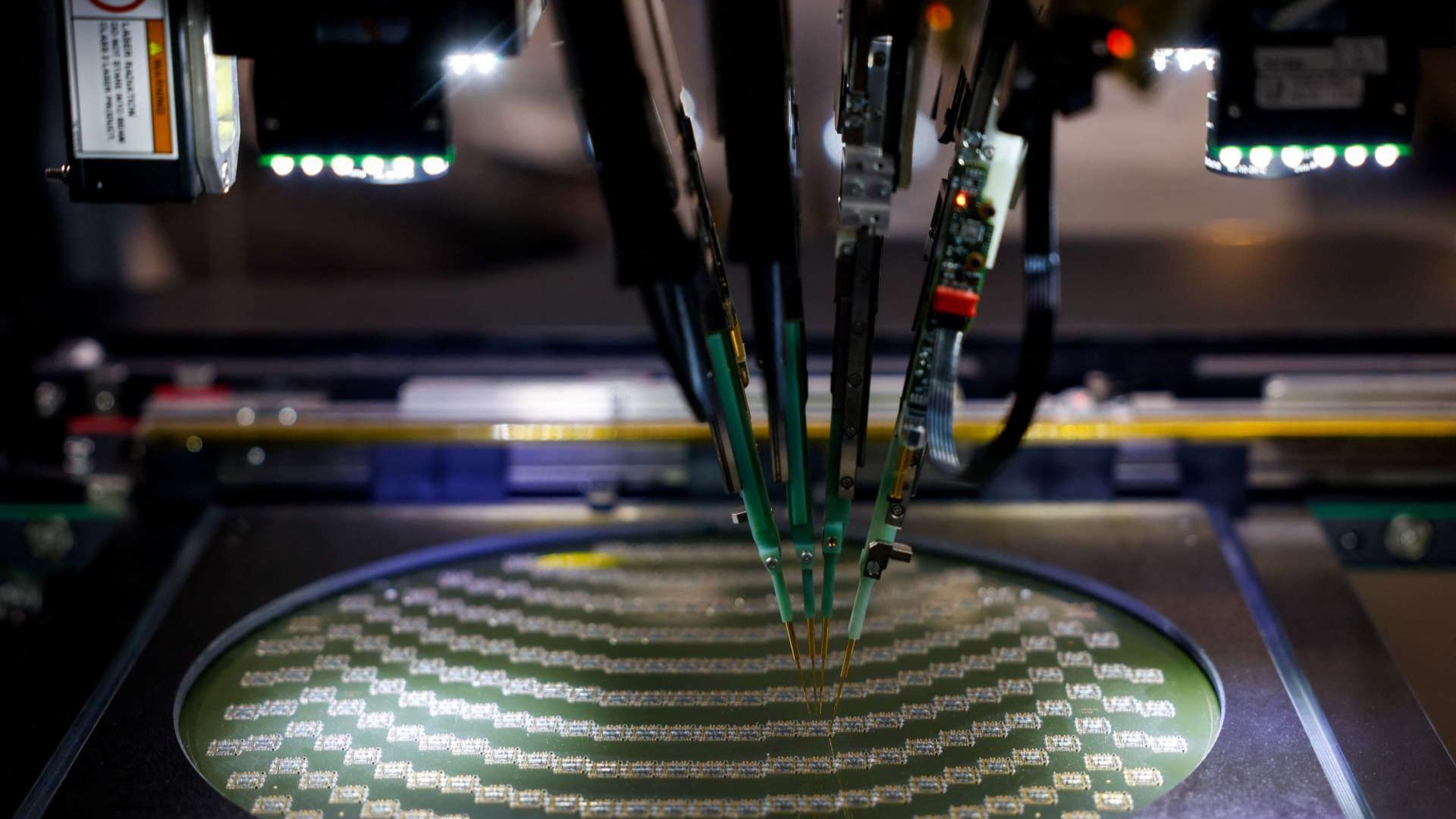
NVIDIA prepays KYEC to secure US testing capacity. KYEC and its AeternZ subsidiary will build the capacity, repayment offsets future service fees.
NVIDIA Prepayment Lock KYEC's US Testing Capacity