
From Pixels to Perception: Advancements in CMOS Image Sensor Technology
2024-09-18
Introduction
CMOS image sensors, as the core components of modern electronic devices, have been driving advancements in various fields through continuous technological innovation. In recent years, with the maturation of computational photography and the rise of artificial intelligence, CMOS image sensors have made significant progress in terms of performance, functionality, and application areas. This paper will delve into the technical innovations, major manufacturers, application areas, and future development trends of CMOS image sensors.
Working Principle and Structure of CMOS Image Sensor
A CMOS image sensor typically consists of a photodiode array, row drivers, column drivers, timing control logic, AD converter, data bus output interface, and control interface. Each pixel unit includes a photodiode, a floating diffusion layer, a transfer gate, and a MOSFET for amplification.
When light strikes the photodiode, it generates photoelectrons, which are converted into charges and stored in the floating diffusion layer. Subsequently, the charges are converted into voltage signals through a readout circuit and then into digital signals through an AD converter, ultimately forming image data.
CMOS Image Sensor Technology Innovations
- Pixel enhancement and size optimization: High-pixel sensors can capture richer details and improve image quality. Larger sensors can capture more light, enhancing the image's dynamic range.
- Back-illuminated and stacked structures: Back-illuminated structures place the photodiode on the top layer of the silicon wafer, improving light utilization efficiency. Stacked structures further reduce the chip area, optimize circuit noise, and enhance image quality and processing speed.
- Dynamic range and low-light performance: Through HDR technology and optimized pixel structures, CMOS sensors can provide better imaging performance in high dynamic range and low-light environments.
- High-speed readout and global shutter: Global shutter technology can simultaneously expose the entire sensor array, avoiding motion blur and making it suitable for high-speed motion scenes.
- Intelligence and integration: Integrating AI processing units into sensors enables real-time image analysis and optimization.
Major Manufacturers and Products
- Sony: Sony's IMX series is renowned for its high performance and leads in stacked and back-illuminated sensor technologies. For example, the Sony IMX206CQC-C has a pixel size of 1.34 x 1.34 micrometers, a resolution of 16 megapixels, a frame rate of 12 fps, and a color temperature of 2000 to 15000K, suitable for image color reproduction under various lighting conditions.
- Samsung: Samsung's ISOCELL series sensors dominate the smartphone market, and their high-pixel sensors have brought new experiences to mobile photography.
- OmniVision: OmniVision excels in high dynamic range sensors and small-sized sensors, and its products are widely used in surveillance, automotive electronics, and other fields.
- Smartsens: Smartsens, as a leading domestic image sensor manufacturer, has made significant progress in domestic substitution.
Application Areas of CMOS Image Sensors
- Smartphones: Image sensors are core components of smartphones, and their performance directly affects the quality of smartphone photography.
- Surveillance: High-resolution, low-light performance image sensors provide more reliable security monitoring.
- Automotive: Image sensors play a crucial role in autonomous driving and advanced driver-assistance systems (ADAS).
- Industrial cameras: High-speed and high-precision image sensors are widely used in industrial inspection and machine vision.
- Medical imaging: Image sensors play a key role in endoscopes, microscopes, and other medical devices.
Future Outlook
With the continuous development of artificial intelligence, big data, and other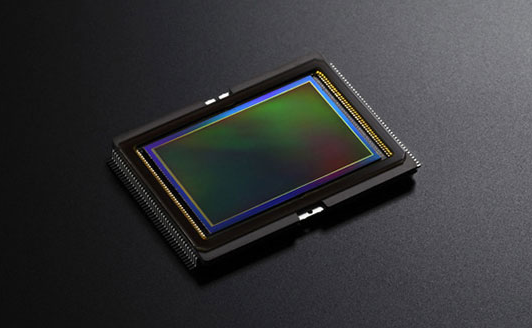 technologies, image sensors will integrate deeply with them, giving rise to more innovative application scenarios. For example, image recognition technology based on deep learning will enable image sensors to understand and analyze image content, thereby achieving more intelligent applications. In the future, with the continuous development of computational photography, higher-resolution, lower-power, smaller-sized, more functional, and more intelligent sensors will become mainstream.
technologies, image sensors will integrate deeply with them, giving rise to more innovative application scenarios. For example, image recognition technology based on deep learning will enable image sensors to understand and analyze image content, thereby achieving more intelligent applications. In the future, with the continuous development of computational photography, higher-resolution, lower-power, smaller-sized, more functional, and more intelligent sensors will become mainstream.Conclusion
CMOS image sensor technology is constantly innovating, bringing new development opportunities to various industries. As technology continues to advance, we can expect image sensors to bring us even more surprises in the future.
Email: info@semicone.com
In-depth Analysis of Power Electronics: The Core of Modern Power Systems
Samsung Shifts Focus: Exit from LED Business to Prioritize Semiconductor
Related Article
NVIDIA prepays KYEC to secure US testing capacity. KYEC and its AeternZ subsidiary will build the capacity, repayment offsets future service fees.
NVIDIA Prepayment Lock KYEC's US Testing Capacity

Microchip acquired VORAGO and Hailo. VORAGO adds HARDSIL tech, Hailo brings 26 TOPS processors. Both deals closed in 2026.
Microchip's Two Acquisitions: Aerospace & Defense and Edge AI

