SK Hynix's NAND Flash Innovations: LPW NAND and 400-Layer NAND
2025-03-17
With the rapid development of artificial intelligence (AI), the Internet of Things (IoT), and 5G technology, storage technology is facing unprecedented challenges and opportunities. As a leading player in the global memory market, SK Hynix has made significant progress in the field of low-power NAND flash technology. The company is accelerating the development of LPW (Low-Power Wide I/O) NAND flash and 400-layer and above NAND flash technology. These innovations not only provide new storage solutions for AI inference, data centers, and mobile devices but also drive technological progress across the entire semiconductor industry.
LPW NAND Flash: The Perfect Combination of Low Power and High Performance
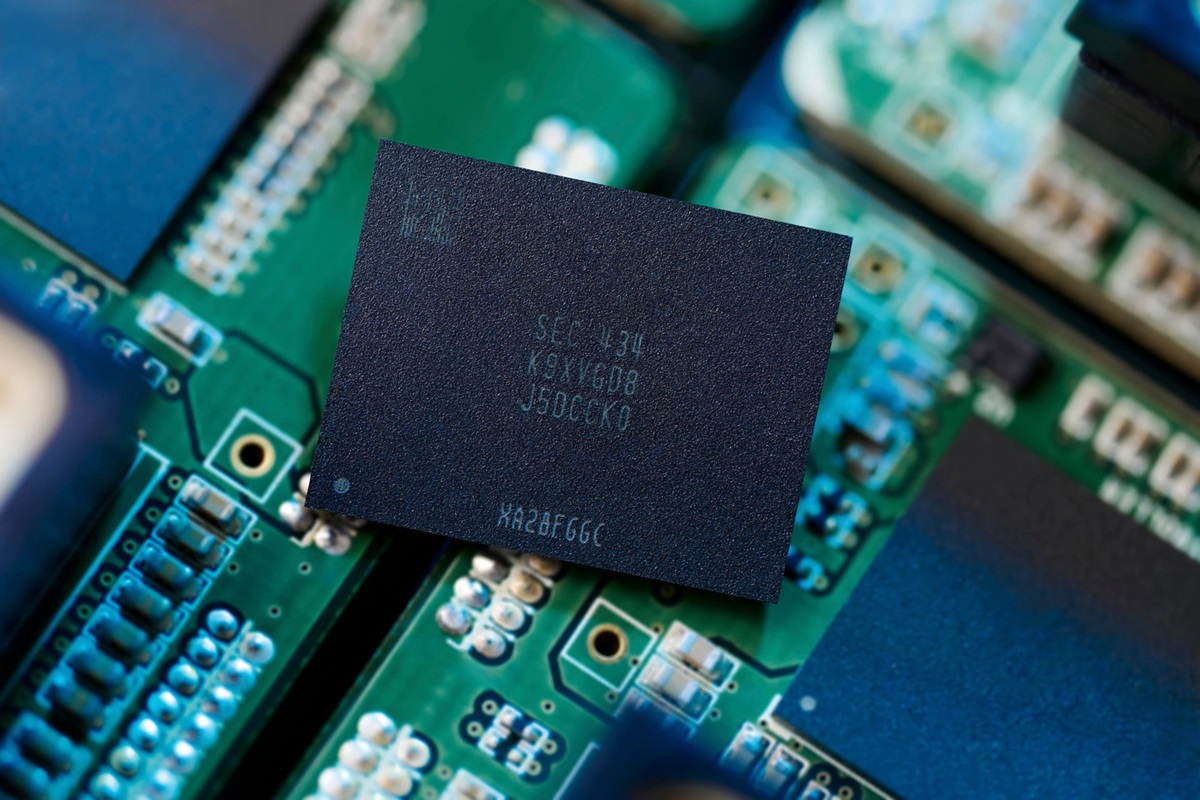 LPW NAND flash is a new type of memory semiconductor technology developed by SK Hynix to meet the demands for low power consumption and high bandwidth. Its core feature lies in significantly increasing the number of data input/output (I/O) channels to boost processing speed while reducing the speed of each path to lower power consumption. This design makes LPW NAND flash particularly suitable for high-performance applications, such as AI inference and edge AI applications.
Compared to traditional NAND flash, LPW NAND focuses more on performance. It may adopt SLC (Single-Level Cell) instead of TLC (Triple-Level Cell) or QLC (Quad-Level Cell) to meet the stringent performance requirements of AI applications. Additionally, the structure of LPW NAND is similar to SanDisk's "High-Bandwidth Flash (HBF)," which increases I/O numbers by stacking 3D NAND flash. However, it differs from HBM (High-Bandwidth Memory), which expands bandwidth by vertically stacking DRAM. The target market for LPW NAND is primarily in edge AI applications, such as smartphones, autonomous vehicles, and smart home devices. These application scenarios demand higher performance and lower power consumption from memory devices, and the introduction of LPW NAND is expected to provide more efficient storage solutions for these areas.
400-Layer NAND Flash: Dual Improvement in Storage Density and Performance
In addition to LPW NAND, SK Hynix is also accelerating the development of 400-layer and above NAND flash technology. This technological breakthrough employs hybrid bonding technology (W2W), which manufactures peripheral circuits and memory cells on separate wafers before integrating them into a complete NAND flash. This innovative design significantly increases storage density without increasing chip size.
The development of 400-layer NAND flash not only enhances the capacity and performance of memory devices but also reduces the construction and operational costs of data centers. It provides more efficient storage solutions for cloud computing and AI applications. Moreover, SK Hynix plans to shorten the development cycle between future generations of products to one year, significantly faster than the industry average of 1.5 to 2 years. This rapid iteration capability will give SK Hynix a competitive edge in the fierce market competition.
Industry Competition and Future Outlook
SK Hynix's breakthroughs in NAND technology have significantly enhanced its competitiveness in the storage market. However, competition has not slowed down. Rivals such as Samsung and Micron are also actively developing higher-layer NAND technologies. For example, Samsung Electronics plans to produce NAND flash with over 1,000 layers by 2030, while Micron Technology has already launched 276-layer dense NAND flash. This technological competition is driving rapid development across the entire storage industry.
Looking ahead, as AI, IoT, and 5G technologies continue to advance, the demand for high-performance, low-power memory devices will keep growing. SK Hynix's LPW NAND and 400-layer NAND technologies are expected to play important roles in these areas, driving storage technology toward higher performance and lower power consumption. Meanwhile, SK Hynix will continue to increase its R&D investment, continuously optimize memory structures, and enhance performance to meet the ever-changing market demands.
Conclusion
SK Hynix's innovations in low-power NAND flash technology have not only provided new storage solutions for AI inference, data centers, and mobile devices but also propelled technological progress in the entire semiconductor industry. With the gradual mass production of LPW NAND and 400-layer NAND technologies, SK Hynix is poised to take a leading position in the future storage market, offering users a more efficient and convenient digital experience. These technological innovations not only demonstrate SK Hynix's leading position in the field of storage technology but also inject new vitality into the development of the entire semiconductor industry.
ICs Supplier -- Semicon Electronics
At Semicone, we stand as your reliable partner for top-tier integrated circuit semiconductors. Our vast inventory of premium IC components guarantees that you always have access to the exact parts you need. Explore our newest arrivals.
-
The AD4111BCPZ from ADI is a low-power, low-noise, 24-bit Sigma-Delta ADC with an integrated analog front-end (AFE). It features an embedded 2.5V low-drift reference voltage source, flexible digital filters for 50Hz and 60Hz rejection, and a unique open-wire detection function.
-
The SURS8120T3G from ON Semiconductor is a general-purpose rectifier diode with ultra-fast recovery characteristics. It features a 200V reverse voltage rating, a continuous forward current of 1A, and a low forward voltage drop of 875mV at 1A.
-
The Microchip USB2422T-I/MJ is a low-power, single-transaction translator hub controller IC with two downstream ports, fully compliant with the USB 2.0 specification. It supports low-speed, full-speed, and high-speed downstream devices, features integrated USB termination resistors, and offers over-current detection and power control for each port.
Email: info@semicone.com
NAND Flash Prices Surge: Understanding the Factors and Implications
Altera Launches the Cost-Effective Agilex 3 AI FPGA: Accelerating the Development of Edge AI
Related Article
Ericsson will merge Northeast Asia with Southeast Asia, Oceania and India into one APAC unit and dissolve its enterprise wireless division, effective Jan 1, 2027.
Ericsson Merges Asia-Pacific Regions, Dissolves Enterprise Wireless Division
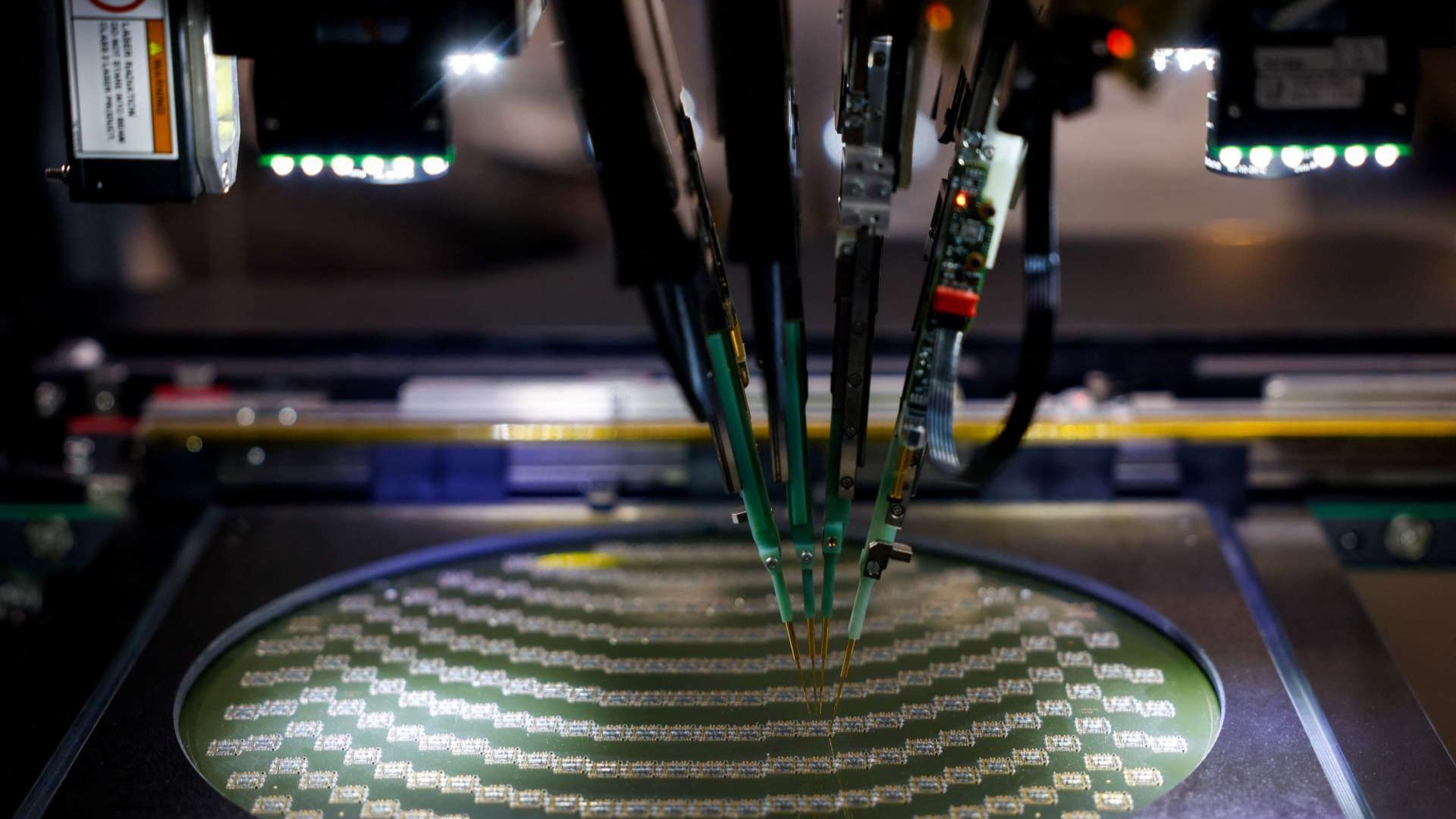
NVIDIA prepays KYEC to secure US testing capacity. KYEC and its AeternZ subsidiary will build the capacity, repayment offsets future service fees.
NVIDIA Prepayment Lock KYEC's US Testing Capacity