Japan's First 3nm Production Site: TSMC's Second Kumamoto Fab
2026-10-19
On October 16, 2026, Japan's Ministry of Economy, Trade and Industry (METI) formally approved a change to the production plan for TSMC's second Kumamoto fab, clearing it to make 3nm logic semiconductors. This would give Japan domestic 3nm production capability for the first time.
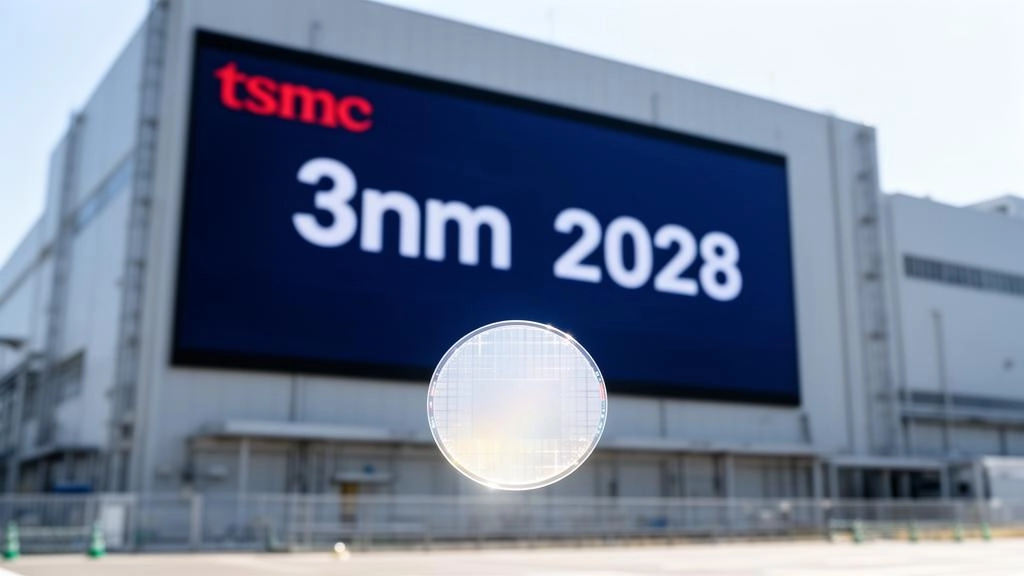 The second fab is operated by JASM, a joint venture controlled by TSMC. It had previously been planned to produce 6nm, 12nm and 40nm chips, with a designed total capacity of 63,000 wafers per month. Under the revised plan, the fab will focus on 3nm logic chips, with initial capacity set at 6,000 300mm wafers per month. Production is expected to begin in December 2028, with first shipments in the same quarter. TSMC Chairman and CEO C.C. Wei said the plan to bring 3nm into the second Kumamoto fab is progressing smoothly and that the 2028 mass-production target remains unchanged.
Capacity Tied to Subsidies
A notable feature of the adjustment is the direct link between the smaller capacity scale and government subsidies. The second fab's original planned capacity was 63,000 wafers per month; after the shift to 3nm, initial capacity falls to 6,000 wafers, a clear reduction. METI's explanation is that the lower output reflects higher product performance. The approval covers only the first-phase plan, and TSMC will expand capacity gradually depending on additional Japanese government subsidies. Total project investment is estimated at about US$10.8 billion, with Japan's subsidy capped at ¥645.1 billion. The budget needed for the subsidy will be included in the FY2027 budget request.
Significance for Japan's Semiconductor Sector
Japan had previously lacked domestic capacity in advanced logic processes. The shift at the second Kumamoto fab would bring Japan into 3nm manufacturing for the first time. Japanese companies expect domestic advanced capacity to help stabilize semiconductor procurement, especially as demand for generative AI-related chips expands.
The second fab is adjacent to the already operating first Kumamoto fab. The first fab is also adjusting its product mix, stopping 12nm to 16nm processes and moving to 22nm to 28nm and 40nm chips. The division of roles between the two fabs is becoming clearer: the first covers mature and specialty processes, while the second takes on advanced logic manufacturing. JASM's joint-venture structure provides a localization base for this layout, with TSMC holding about 86.5% and Sony, Denso and Toyota each holding minority stakes.
SEMICONE IC Supply Services
As an IC distributor, SEMICONE focuses on rapid response and cross-regional allocation for urgent parts. For customers facing temporary material shortages or small-batch urgent needs, SEMICONE can use its global inventory network to search for cross-regional spot stock and prioritize batches that can be delivered immediately, reducing the risk of project delays. Below is SEMICONE's in-stock IC parts list:
|
Model
|
Manufacturer
|
Type
|
Key Specifications
|
|
TI
|
Level shifter
|
4-bit bidirectional, 1.65V–3.6V / 2.3V–5.5V, AEC-Q100, TSSOP-14
|
|
|
TI
|
Gate driver
|
Dual low-side, 4.5V–18V, 5A peak output, AEC-Q100, SOIC-8
|
|
|
Nanya
|
DDR4 SDRAM
|
4Gb, 256M×16, 3200Mbps, 96-FBGA
|
|
|
Infineon
|
P-channel MOSFET
|
-20V, -3.7A, RDS(on) 65mΩ@-4.5V, SOT-23
|
|
|
onsemi
|
Switching diode
|
75V, 200mA, trr 6ns, SOT-23
|
For electronic component procurement needs, please contact SEMICONE for quotes and lead-time information.
Email: info@semicone.com
Ericsson Merges Asia-Pacific Regions, Dissolves Enterprise Wireless Division
Related Article

Ericsson will merge Northeast Asia with Southeast Asia, Oceania and India into one APAC unit and dissolve its enterprise wireless division, effective Jan 1, 2027.
Ericsson Merges Asia-Pacific Regions, Dissolves Enterprise Wireless Division
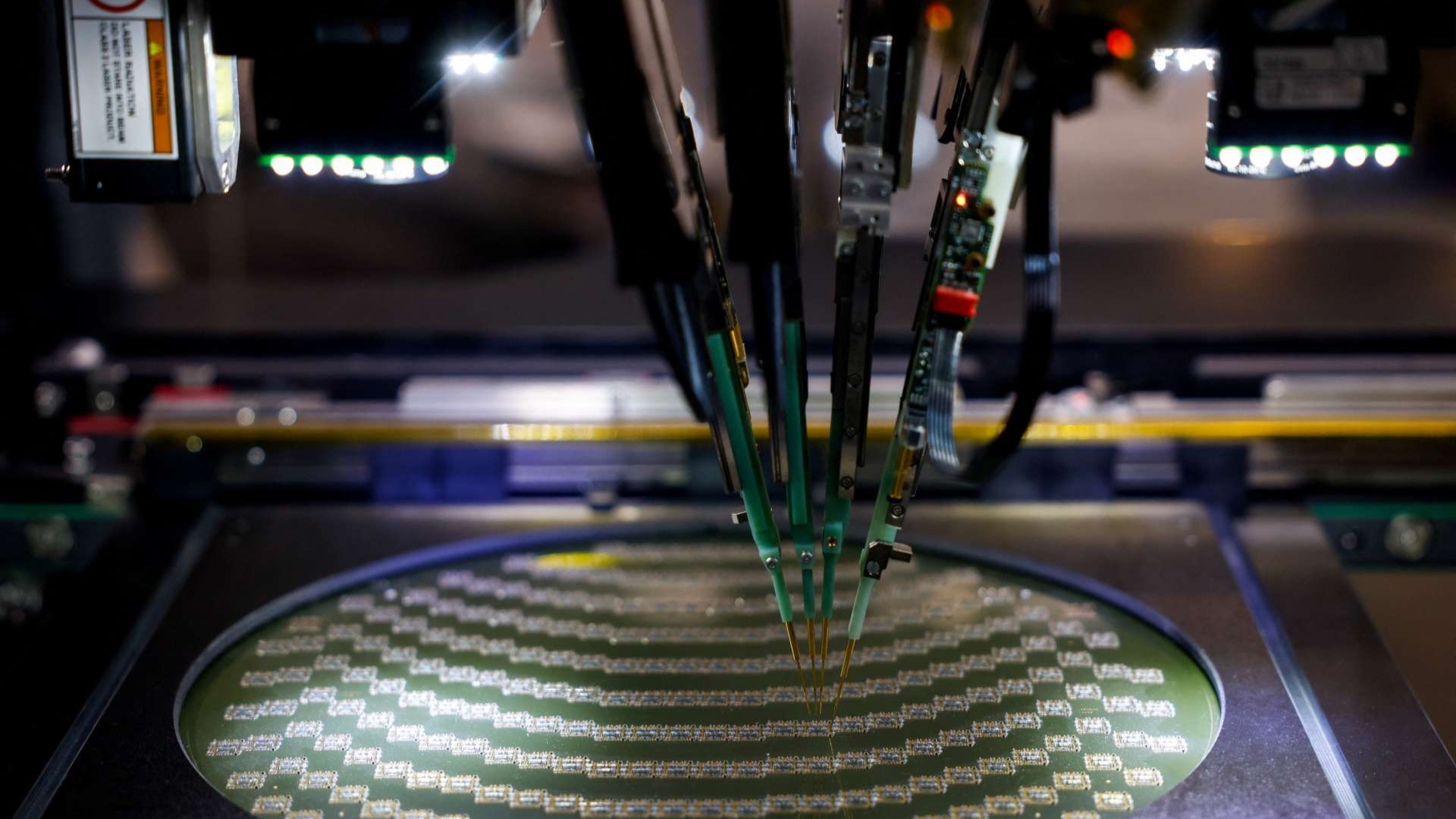
NVIDIA prepays KYEC to secure US testing capacity. KYEC and its AeternZ subsidiary will build the capacity, repayment offsets future service fees.
NVIDIA Prepayment Lock KYEC's US Testing Capacity