Samsung Accelerates 1c DRAM Device Integration, Aims to Mass Produce HBM4 by 2026
2025-11-05
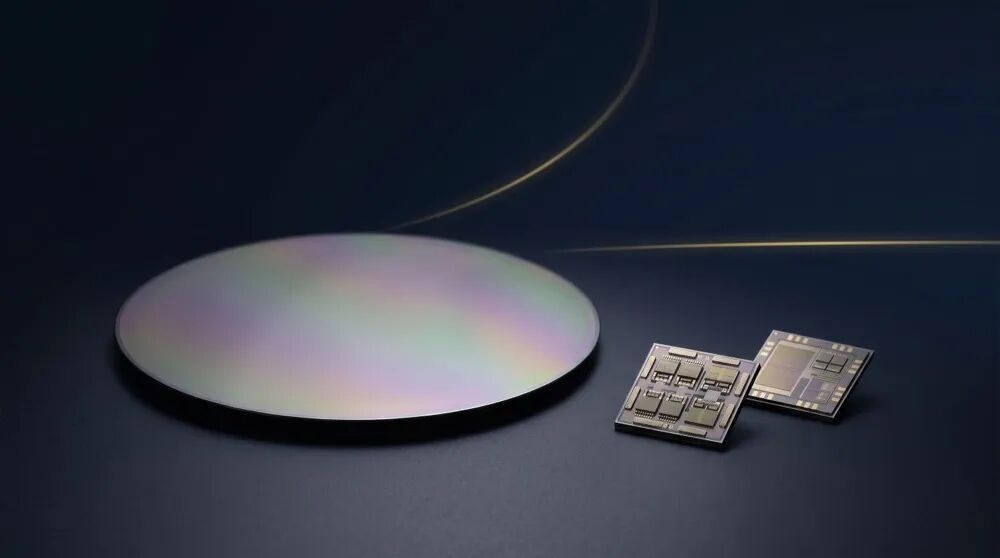
Samsung Electronics is accelerating the integration of 10-nanometer-class sixth-generation (1c) DRAM devices, targeting mass production of HBM4 in early 2026. This move is aimed at catching up with SK Hynix, which has already signed a supply contract with Nvidia and entered mass production. As a high-performance, high-bandwidth storage solution, HBM4 is crucial for meeting the growing demands in fields such as artificial intelligence and data centers.
Capacity Expansion and New Factory Construction
Recently, Samsung has completed the installation of 1c DRAM devices in its second factory (P2) in Pyeongtaek and is simultaneously introducing new equipment in the third (P3) and fourth factories (P4). These actions indicate that Samsung is actively expanding its advanced process capacity. It is expected that this month, Samsung will complete the internal reliability testing (PRA) of the final customer samples and then send the samples to Nvidia for GPU integration validation. If all goes well, the products are expected to be officially shipped in the second half of 2026.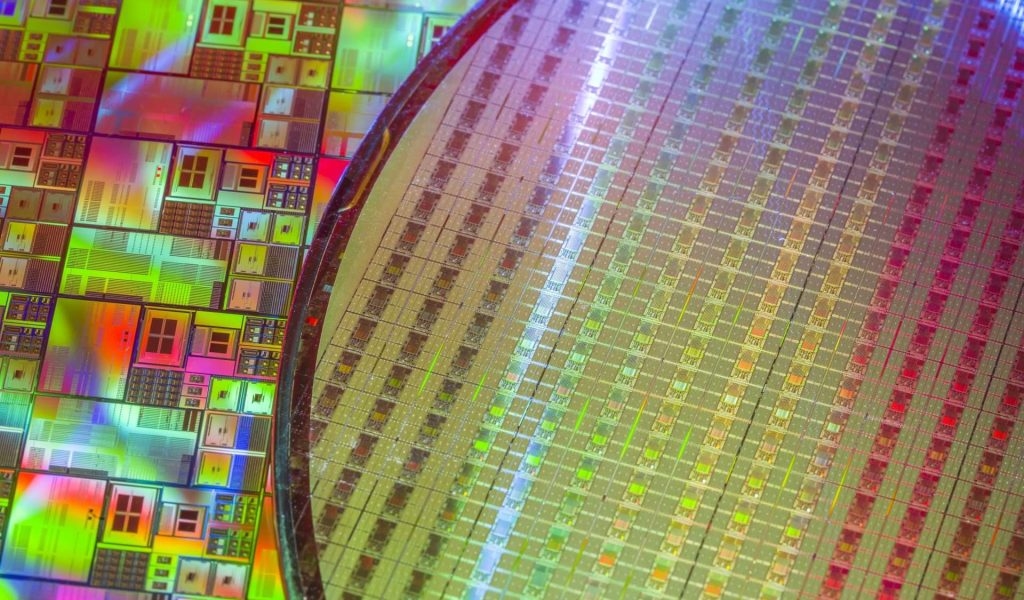
Samsung originally mainly produced the previous generation of DRAM products in its second (P2) and third factories (P3) in Pyeongtaek. However, as market demand shifts towards high-performance and high-bandwidth applications, the company has gradually reduced the production of old-process chips and transformed some production lines into the latest 1c process. Currently, the fourth factory (P4), which is the core production site for HBM4, is scheduled to start in 2026. In addition, the main wafer factory PH1 is already operating both NAND and 1c DRAM production lines. PH3 has been introducing new equipment since June, PH4 is under construction, and PH2 is expected to start at the end of the year or in early 2026.
Challenges and Countermeasures
Although the development of 1c DRAM is progressing steadily, mass production yield remains the biggest challenge for Samsung. It is revealed that the yield of HBM4 samples produced by the 1c process is currently about 50%, which has not yet reached the mass production threshold. Since HBM4 adopts a multi-layer stacking structure and the chip area is larger than that of the previous generation HBM3E, the number of good products that can be produced from the same wafer is relatively reduced, which also makes the yield improvement slow. To cope with this challenge, Samsung is strengthening the back-end packaging process and cooperating with Hanmi Semiconductor to stabilize the stacking accuracy and overall process quality.
Future Outlook
Samsung's move is closely related to Nvidia's launch of the new-generation AI accelerator Rubin in the second half of 2026. Considering that SK Hynix announced the completion of the HBM4 mass production system in September, Samsung's equipment integration and production line transformation have entered the final stage. However, whether it can reach a stable yield in the short term remains to be seen. Despite the challenges, with the continuous penetration of AI technology, the market demand for HBM4 is expected to remain on an upward trend. Samsung's HBM4 mass production plan is not only a reflection of its technical strength but also a key step in maintaining its competitiveness in the global memory market.
Semicon Electronic Components Distributor
Semicon, a semiconductor chip distributor, is dedicated to providing a wide range of IC component lines, covering analog, digital, RF and power management, among other fields, to meet the application requirements of various scenarios from consumer electronics to industrial automation.Here are some of the latest popular IC models from Semicon:
● SBAW56LT1G: High-performance analog IC, suitable for high-precision signal processing, widely used in industrial automation and high-end consumer electronics fields.
● NX3008CBKS,115: Digital IC, used for high-speed data transmission, meeting the requirements of modern communication equipment for data processing speed.
● TXS0108EPWR: RF IC, used for signal amplification in communication equipment to help enhance communication efficiency.
● LTC2863CS8-1#PBF: Power Management IC, used for efficient power conversion, suitable for a variety of electronic devices.
Email: info@semicone.com
Unlocking Voltage-Level Translators: A Comprehensive Guide
Adeia Sues AMD for Patent Infringement in Hybrid Bonding
Related Article
ITC launches 337-TA-1523 into DDR5 DRAM, targeting Micron, HPE, Lenovo, Supermicro over Netlist patents. Exclusion orders could block US imports.
ITC Opens Section 337 Investigation into DRAM: Sparked by Netlist

Qualcomm acquires PickNik to integrate MoveIt with Dragonwing, advancing physical AI and targeting $40B non-handset revenue by 2029.
Qualcomm Expands Robotics Footprint with PickNik Acquisition