Integrated Circuit (IC) Technology Introduction: Fundamentals, Classification, Functions, Applications, and Future Trends
2024-09-04
IC Introduction
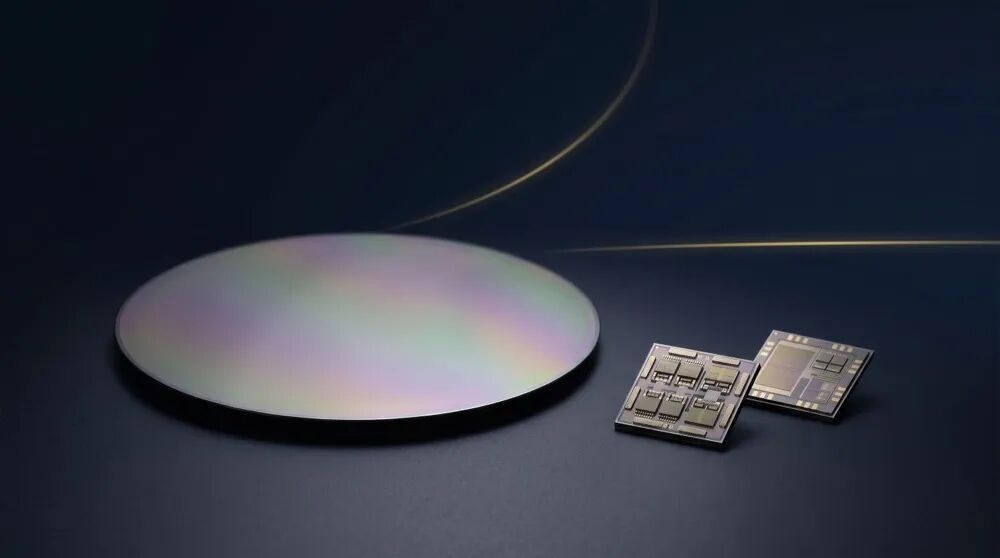
From the simple circuits of the 1960s to today's very large scale integrated (VLSI) circuits, IC technology has continuously advanced, driving the development of electronic devices. An integrated circuit (IC) is a core component in modern electronic technology, integrating a large number of electronic components such as transistors, resistors, capacitors, and interconnections on a tiny semiconductor chip to form an electronic device with specific functions. This high degree of integration gives ICs the advantages of small size, light weight, low power consumption, high reliability, and they are widely used in various electronic devices.
IC Classification
The classification of ICs is diverse and can be divided into multiple subclasses based on different criteria:
- By signal type: Digital ICs process discrete signals (such as 0s and 1s) and are commonly used in computing, logic control, and data transmission; analog ICs process continuously varying signals like sound, images, and temperature, and are often found in signal amplification, filtering, and conversion applications. Mixed-signal ICs combine the two, enabling the conversion and processing of signals.
- By integration level: From the early small-scale integration (SSI), to medium-scale (MSI), large-scale (LSI), very large-scale (VLSI), and ultra-large-scale (ULSI), the increasing level of integration has witnessed the rapid development of semiconductor technology.
- By function: General-purpose ICs such as processors and memory are suitable for a wide range of applications; Application-specific integrated circuits (ASICs) are optimized for specific applications, offering higher performance and lower power consumption; Programmable logic devices (PLDs) such as FPGAs and CPLDs allow users to customize circuit functions according to their needs.

IC Functions
The functions of ICs are rich and varied, including but not limited to:
- Data processing and computation: Processor cores like CPUs and GPUs execute complex algorithms and instructions, achieving efficient data processing.
- Storage and memory: RAM provides fast data access, while ROM and flash memory are used for long-term storage of programs and data.
- Signal conversion and control: DACs and ADCs facilitate the conversion between analog and digital signals, and microcontrollers (MCUs) and DSPs are used to control various functions of electronic systems.
- Communication and connectivity: Various communication interfaces and protocol controllers, such as USB, Ethernet, Wi-Fi, etc., ensure seamless connectivity and data transfer between devices.
- Power management and optimization: Power management ICs monitor and adjust voltage and current to ensure stable operation of electronic devices and optimize energy efficiency.
IC Application Areas
The application areas of integrated circuits are extremely broad, covering almost all electronic devices, including but not limited to:
- Communication field: smartphones, tablet computers, modems, etc.
- Computer and information technology field: CPUs, GPUs, memory modules, etc.
- Automotive electronics field: Engine control units (ECUs), in-vehicle entertainment systems, navigation systems, etc.
- Medical instruments and equipment: ECG machines, blood pressure monitors, etc.
- Industrial automation and control systems: Programmable logic controllers (PLCs), etc.
How to Select IC Components
When selecting Electronic components, consider the following aspects:
- Determine functional requirements: Identify the functions needed by the IC based on the application scenario.
- Consider performance parameters: Choose the appropriate performance indicators based on application needs, such as clock frequency, storage capacity, operating voltage, current, frequency, temperature range, etc.
- Evaluate cost and availability: Select ICs that offer good value for money and have a stable supply chain.
- Consider packaging types: Choose the appropriate packaging based on the actual application, such as BGA, QFP, etc.
IC Technology Trends
With the continuous advancement of technology, integrated circuit technology is also progressing, and future IC technology will show the following trends:
- Higher integration and smaller size: Advanced manufacturing processes (such as FinFET, GAAFET, etc.) will achieve higher device density and smaller chip sizes.
- Lower power consumption and green environmental protection: Optimize circuit design and manufacturing processes to reduce the power consumption and carbon emissions of ICs, in line with the development trend of green energy saving.
- Higher performance and intelligence: Enhance the computing power of processors and AI acceleration capabilities to promote the development and application of smart devices.
- Heterogeneous integration: Integrate components made of different materials and processes on the same chip to achieve more complex functions and higher performance.
- Security and privacy protection: Strengthen the security and privacy protection capabilities of ICs in data transmission, storage, and processing.
Summary
As a core component of modern electronic technology, integrated circuits have a wide range of applications and are of significant strategic importance. With the continuous advancement of technology and the growing application demands, integrated circuit technology will continue to make breakthroughs in performance, power consumption, cost, and integration level, promoting the development of electronic devices towards miniaturization and intelligence. When selecting IC components, it is necessary to comprehensively consider factors such as functional requirements, performance indicators, price factors, and manufacturer reputation to ensure the selection of products that meet one's own needs.
Semicon IC Wholesale
|
Metal-oxide-semiconductor (CMOS) switch
Features a 1.8V compatible control input, fail-safe logic, integrated pull-down resistance on logic pins, outage protection, and support for input voltage over supply voltage with a maximum input/output continuous current value of 25mA.
TMUX1574 is suitable for a variety of applications such as servers, communication equipment and industrial applications.
|
|
|
Programmable precision reference voltage source, A three-terminal adjustable shunt regulator capable
With two external resistors, the output voltage can be set to any value between the internal reference voltage (about 2.5V) and 36V.
Suitable for rack server power supply, industrial AC/DC power supply, AC inverter and inverter driver, servo driver control module, laptop power adapter design...
|
|
|
Stepper motor controlle
An external N-channel MOSFET to drive either a bipolar stepper motor or two brush DC motors.
Integrates a microstep divider, internal shutdown functions for overcurrent protection, short circuit protection, undervoltage lock and overheat protection.
Used in office automation equipment, factory automation, textile machines, robots and so on.
|
Email:info@semicone.com
Microchip dsPIC33A Series: Ushering in a New Era of High-Performance DSC
TI SN74HCS74QPWRQ1: A Vital Benchmark in Automotive Trigger ICs
Related Article
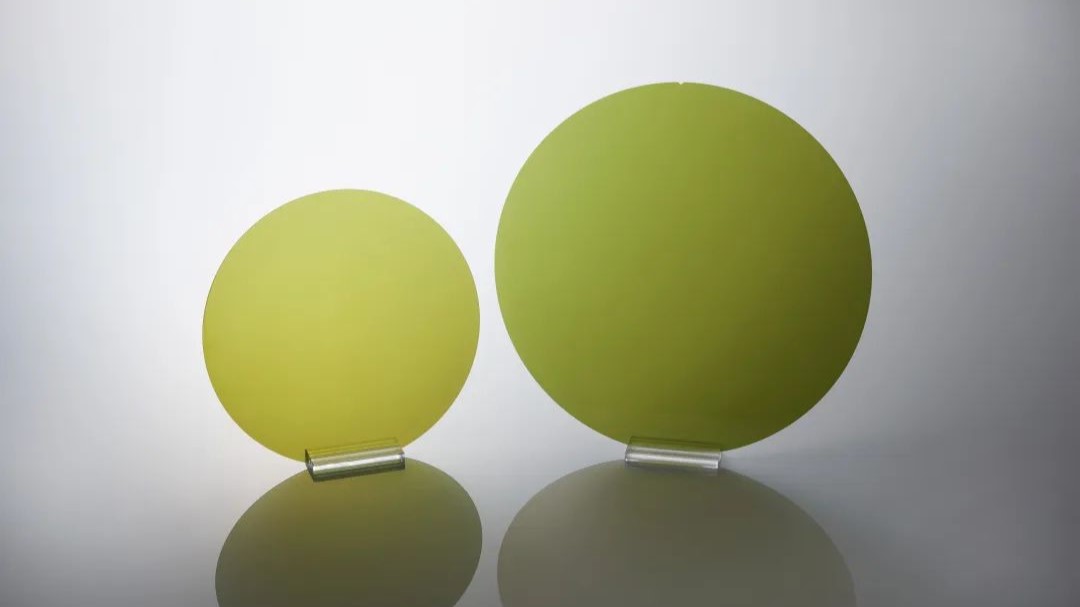
Resonac unveils Japan's first 12-inch SiC substrate, delivering 4x the chip output of 6-inch wafers. AI server cooling and AR waveguides are key targets.
Power Semiconductor Materials: Resonac's 12-Inch SiC Substrate
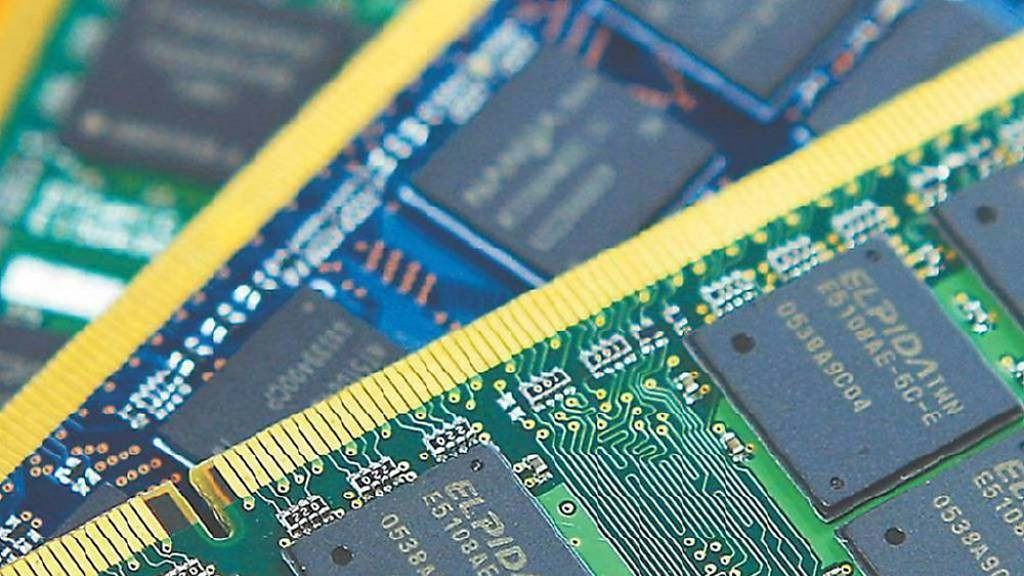
ITC launches 337-TA-1523 into DDR5 DRAM, targeting Micron, HPE, Lenovo, Supermicro over Netlist patents. Exclusion orders could block US imports.
ITC Opens Section 337 Investigation into DRAM: Sparked by Netlist