Japan Grants Micron's Hiroshima DRAM Factory Up to ¥536 Billion in Subsidies
2025-09-15
On September 12, 2025, Japan's Ministry of Economy, Trade, and Industry announced that it would provide up to ¥536 billion ($3.63 billion) in subsidies to Micron Technology's DRAM factory in Hiroshima. This substantial financial support is part of Japan's broader strategy to revitalize its semiconductor industry and reduce its dependence on imported chips.
Investment and Subsidy Details
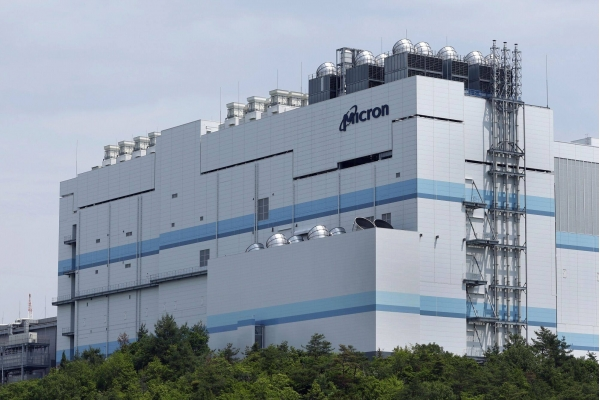 Micron plans to invest ¥1.5 trillion ($9.09 billion) to expand its Hiroshima factory for mass-producing next-generation DRAM memory. The Japanese government will cover one-third of this investment, amounting to ¥500 billion, to support the factory's capital expenditure. Additionally, ¥36 billion will be allocated for research and development of high-performance memory solutions. This funding will help Micron accelerate the development of advanced memory technologies tailored for AI applications.
Background and Objectives
Japan, once a dominant player in the global semiconductor market, has seen its market share decline in recent years. To regain its footing, the Japanese government has launched a series of initiatives aimed at attracting foreign investment and fostering local talent. Micron's investment in Hiroshima aligns with these goals, as the company sources 80% of its production materials from Japanese suppliers and actively recruits and trains local talent.
Impact and Future Prospects
This subsidy is not an isolated effort. Japan has previously provided subsidies to other semiconductor manufacturers, such as TSMC and Rapidus, to bolster its domestic semiconductor ecosystem. The support for Micron's Hiroshima factory is expected to enhance Japan's semiconductor supply chain resilience and technological capabilities.
Micron's investment will also have significant implications for the global semiconductor market. The company aims to increase the factory's production capacity to 40,000 wafers per month by 2030, contributing to the global supply of advanced memory chips. This expansion will not only benefit Japan but also strengthen Micron's position in the global market.
Conclusion
Japan's decision to subsidize Micron's Hiroshima factory is a strategic move to revitalize its semiconductor industry and reduce reliance on imported chips. The ¥536 billion in subsidies will support Micron's investment in next-generation DRAM memory production and R&D, enhancing Japan's technological capabilities and supply chain resilience. This initiative is part of a broader strategy to attract foreign investment, foster local talent, and strengthen Japan's position in the global semiconductor market.
Semicon: Semiconductor Chips Distributor
Semicon, a renowned semiconductor chip distributor, offers a comprehensive range of electronic components, from basic logic devices to high-performance memory solutions. With a global presence and a commitment to quality, Semicon is dedicated to providing reliable and efficient supply chain support to its clients. Here are some of the latest popular IC models from Semicon:
● X5043S8IZ-2.7AT1: A high-efficiency power management IC designed for reliable voltage regulation and power conversion in various electronic devices.
● IRFR120NTRPBF: A robust N-channel MOSFET offering low on-resistance and high current handling capabilities, ideal for motor control and power conversion applications.
● CC2652R1FRGZR: A versatile wireless microcontroller with integrated RF capabilities, supporting multiple protocols for IoT and smart home applications.
● STM32G473RCT6: A high-performance ARM Cortex-M4 microcontroller with advanced peripherals and low power consumption, suitable for a wide range of embedded applications.
Email: info@semicone.com
Microsoft Office 365 to Integrate Anthropic AI Technology
Kioxia and NVIDIA Collaborate to Develop AI-Optimized SSDs
Related Article
Ericsson will merge Northeast Asia with Southeast Asia, Oceania and India into one APAC unit and dissolve its enterprise wireless division, effective Jan 1, 2027.
Ericsson Merges Asia-Pacific Regions, Dissolves Enterprise Wireless Division
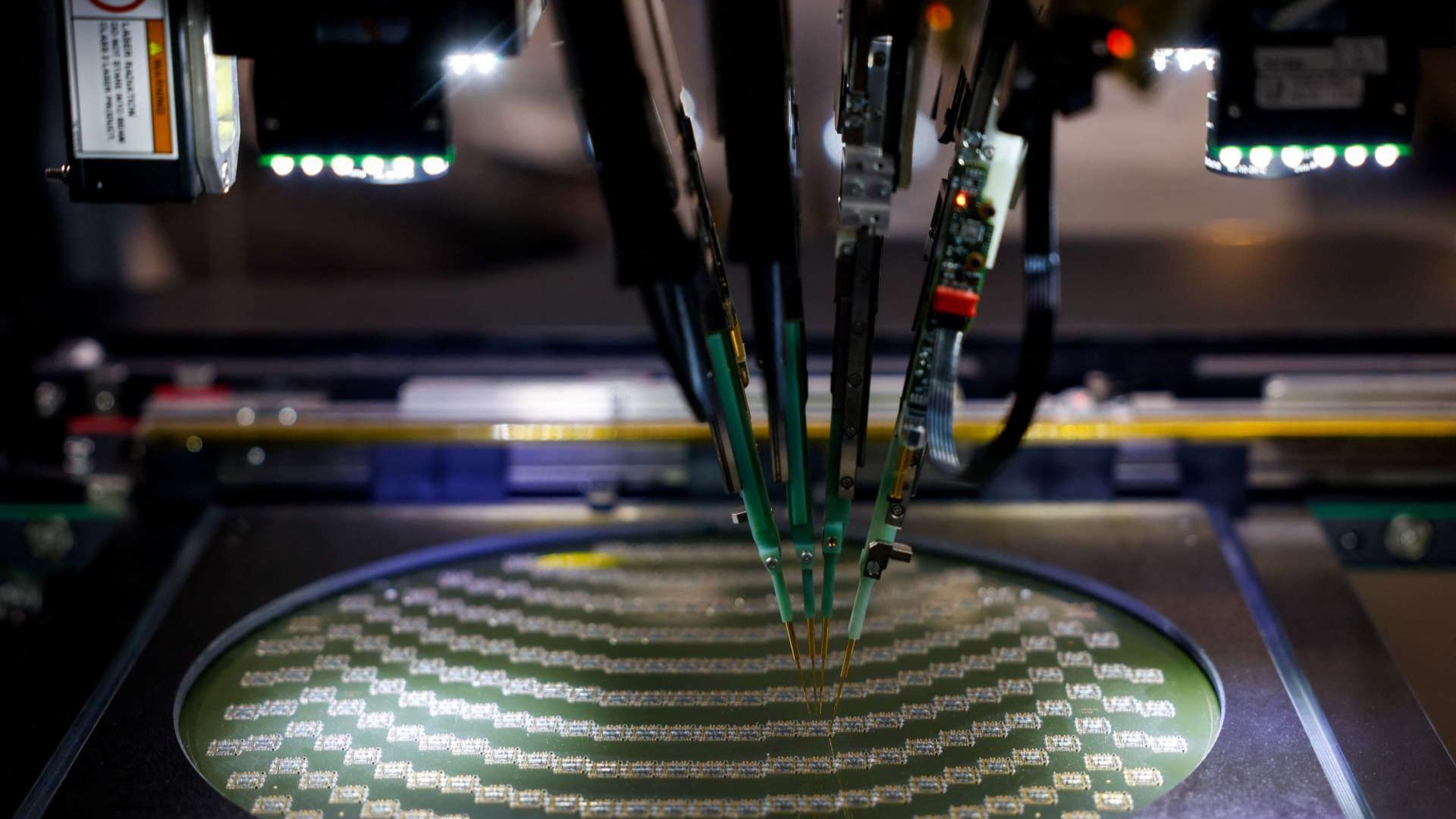
NVIDIA prepays KYEC to secure US testing capacity. KYEC and its AeternZ subsidiary will build the capacity, repayment offsets future service fees.
NVIDIA Prepayment Lock KYEC's US Testing Capacity