Data Acquisition Chips: Technology, Applications, and Market Analysis
2024-10-30
With the rapid development of fields such as the Internet of Things (IoT), intelligent manufacturing, and healthcare, the demand for high-precision, high-speed data acquisition is increasing. Data acquisition chips, acting as a bridge between the analog and digital worlds, are crucial for the performance and reliability of the entire system. These chips are responsible for converting analog signals into digital signals for processing by computers or digital systems.
Working Principle of Data Acquisition Chips
The core function of data acquisition chips is to convert analog signals into digital signals. The working principle involves several stages including signal reception and amplification, analog-to-digital conversion, digital signal processing, and data transmission. These stages work in concert to convert external analog signals into digital signals and transmit them to external devices. The process includes the following steps:
- Signal Acquisition: Sampling and holding voltage and current signals from monitored devices or environments through sensors.
- Analog-to-Digital Conversion (A/D Conversion): The captured analog signals are converted into digital signals by an Analog-to-Digital Converter (ADC).
- Signal Conditioning: In some cases, the captured signals may need to be conditioned to match the input requirements of the ADC.
- Data Storage and Transmission: The converted digital signals are sent to FIFO or other storage media, and then transmitted to the host machine via Ethernet or serial interfaces.
- Multi-channel Acquisition: To monitor multiple devices, data acquisition systems are designed with multiple acquisition channels.
- System Control: CPLDs or microcontrollers are the control core of the entire system, responsible for controlling the switching of acquisition channels, starting and stopping of A/D converters, etc.
Types of Data Acquisition Chips
Data acquisition chips can be mainly divided into two categories: analog data acquisition chips and digital data acquisition chips. Analog data acquisition chips primarily handle continuous analog signals, while digital data acquisition chips directly process discrete digital signals.
Among analog data acquisition chips, the common types include Analog-to-Digital Converters (ADC). ADC chips are the core components of data acquisition systems, responsible for converting analog signals into digital signals. Depending on the sampling rate and resolution, ADC chips can be categorized into high-speed high-resolution types, low-power types, and low-cost easy-to-use types. For instance, high-speed high-resolution ADC chips are suitable for radar, communication, medical, and other fields, capable of achieving high-speed, high-precision signal acquisition and processing; low-power ADC chips are suitable for sensor networks, smart homes, and other fields, able to reduce power consumption while ensuring performance.
Digital data acquisition chips mainly process already discrete digital signals, and common types include Digital Signal Processors (DSP) and Microcontrollers (MCU). DSP chips have powerful digital signal processing capabilities, capable of executing complex algorithms and filtering operations, suitable for audio, video, image processing, and other fields. MCUs are microcomputers integrated with processors, memory, input/output interfaces, and other functions, characterized by small size, low power consumption, high integration, and are widely used in industrial automation, smart homes, medical instruments, and other fields for data acquisition and control tasks.
In addition, there are special types of data acquisition chips, such as data acquisition cards and data acquisition modules. Data acquisition cards typically have multiple analog and digital input channels, capable of simultaneously acquiring data from multiple signal sources, and transmitting data to computers for processing and analysis via computer interfaces (such as USB, PCI, etc.). Data acquisition modules are standalone units that integrate data acquisition, processing, and transmission functions, which can be conveniently embedded into various devices for data acquisition tasks.
Challenges of Data Acquisition Chips
Data acquisition chips face several key challenges in design and application, including signal integrity, electromagnetic compatibility (EMC), power consumption, and thermal management.
- Signal Integrity: As operating frequencies and bandwidths increase, maintaining signal integrity becomes critical to prevent distortion caused by reflection, crosstalk, and attenuation, which can affect data accuracy and reliability. Designers must incorporate techniques and materials to minimize signal loss and interference.
- Electromagnetic Compatibility (EMC): EMC ensures devices operate without emitting interference in electromagnetic environments. Data acquisition chips must often function amidst strong electromagnetic disturbances, particularly in industrial settings. Strategies such as shielding, filtering, and layout design are essential to enhance the chip's immunity to interference.
- Power Consumption: The issue of power consumption is increasingly significant with advancing chip technology. High power usage can lead to excessive heat and impact overall system performance and stability. In portable and embedded devices, power management is crucial, requiring low-power technologies and dynamic power management strategies to reduce consumption and extend device life.
- Thermal Management: The density of transistors in data acquisition chips leads to increased heat generation, which can cause reliability issues like dielectric breakdown and electromigration, affecting chip performance and lifespan. Dynamic thermal gradients and stresses can also lead to chip failure. Effective cooling measures, such as layout optimization, thermal materials, and temperature monitoring, are necessary to keep chips operating within safe temperature limits.
Market Analysis of Data Acquisition Chips
With continuous technological advancements, the performance of data acquisition chips will be further enhanced, and their application fields will be expanded. The rapid development of fields such as IoT, intelligent manufacturing, and healthcare, along with the increasing demand for high-precision, high-speed data acquisition, is driving the expansion of the data acquisition chip market. At the same time, with the progress of semiconductor technology, the cost of data acquisition chips is gradually decreasing, further promoting market growth.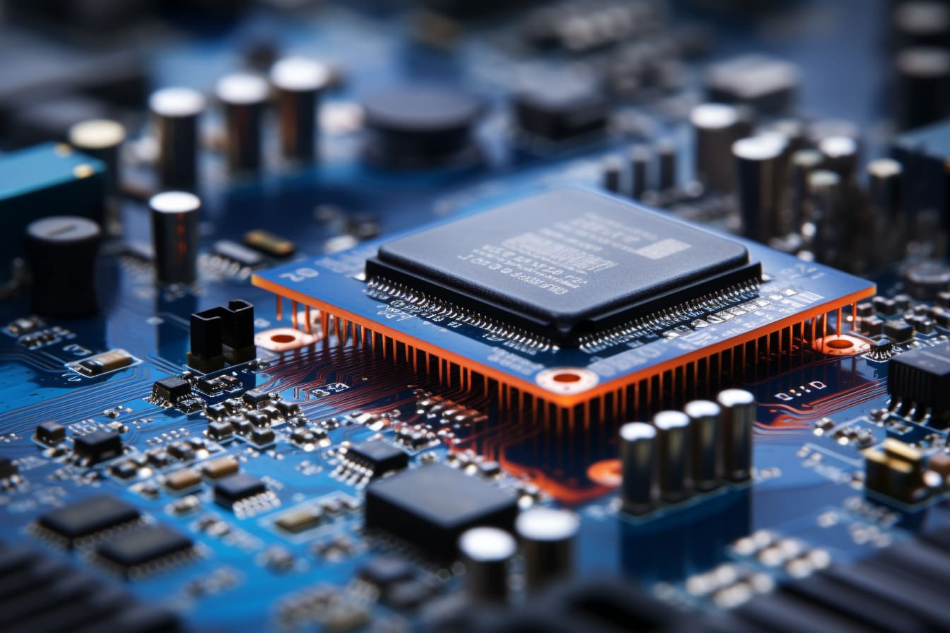
Conclusion
As a key component of modern electronic systems, the technology and application fields of data acquisition chips are continuously expanding. With continuous technological progress, the performance of data acquisition chips will be further enhanced, and their application fields will be expanded, bringing more possibilities to various industries. Manufacturers need to continuously innovate to meet the market's demand for high-performance, low-cost data acquisition chips.
Data Acquisition chips, Find in Semiocne Supplier
| AD9680 | A dual-channel, 14-bit, 1 GSPS Analog-to-Digital Converter (ADC) designed for low power consumption, small size, and ease of use, optimized for broadband analog signal sampling up to 2 GHz. |
| MCP3008 | A 10-bit ADC with 8 input channels, featuring a SPI serial interface and a sampling rate of 200ksps, designed for low power consumption and high performance in embedded control applications. |
| AD7175-2 | A 24-bit, 250 kSPS Σ-Δ ADC with a fast 20 μs settling time, featuring multi-channel scanning and true rail-to-rail input buffers, suitable for low bandwidth input applications. |
| C8051F040 | A highly integrated mixed-signal SoC microcontroller with a 25MHz, 8051-compatible CIP-51 core, featuring 64KB Flash, 4.25KB RAM, a 12-bit ADC with 13 channels, two 12-bit DACs, and a CAN 2.0 controller, all in a single chip. |
Email: info@semicone.com
ByteDance's Ola Friend: AI Headphones and the Future of Smart Audio
Intel: Shaping Future of Computing with Semiconductors and Advanced Technologies
Related Article

Current sense amplifiers turn tiny shunt-resistor drops into precise voltage outputs. Learn high/low-side sensing, key specs, and top CSA models.
Current Sense Amplifier: A Complete Guide from Principles to Selection
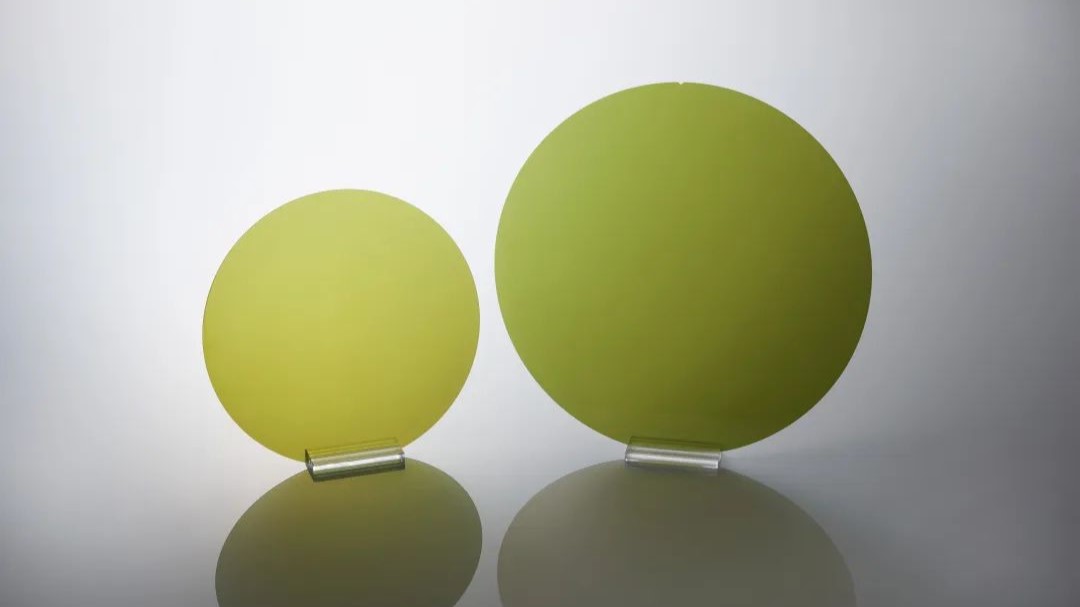
Resonac unveils Japan's first 12-inch SiC substrate, delivering 4x the chip output of 6-inch wafers. AI server cooling and AR waveguides are key targets.
Power Semiconductor Materials: Resonac's 12-Inch SiC Substrate