In-depth Analysis of Power Electronics: The Core of Modern Power Systems
2024-09-19
Introduction
Power electronics, as the core technology of modern power systems and electronic devices, plays an increasingly important role in our daily lives. From household appliances to large industrial equipment, from electric vehicles to renewable energy generation systems, power electronics is ubiquitous. This paper will delve into the definition, classification, working principles, application scenarios, key technologies, development trends, and industry status and challenges of power electronics.
 Power Electronic Devices and Circuits
Composition of a Power Electronic System
A complete power electronic system typically consists of a power circuit, a control circuit, a drive circuit, and sensors. The power circuit is responsible for power conversion, the control circuit implements the control of the power circuit, the drive circuit provides driving signals for power devices, and the sensors monitor the operating status of the system.
Classification of Power Electronic Devices
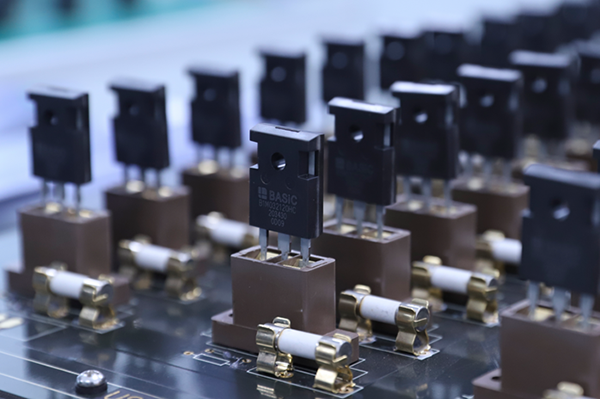
Power electronic devices are the core components for power conversion. Based on their structure, materials, and operating characteristics, they can be classified into the following categories:
- Diodes: Used for rectification, freewheeling, etc., common types include ordinary diodes, Schottky diodes, and power diodes.
- Transistors: Including BJTs, MOSFETs, and IGBTs, they are the main switching devices in power conversion circuits.
- Thyristors: Mainly used in high-power applications such as motor control and welding power supplies.
- Other devices: MOSFET-gated thyristors (IGCTs), etc.
Working Principles of Power Electronic Circuits
The working principle of power electronic circuits is mainly based on the switching characteristics of power semiconductor devices. By controlling the conduction and turn-off of control devices, chopping, rectification, and inversion of electric energy can be realized.
- Rectifier circuits: Convert AC power to DC power, including single-phase half-wave rectification, single-phase full-wave rectification, and three-phase bridge rectification.
- Inverter circuits: Convert DC power to AC power, including voltage source inverters and current source inverters.
- DC-DC converter circuits: Realize step-up and step-down conversion of DC voltage, including buck converters, boost converters, and buck-boost converters.
- AC-AC converter circuits: Realize frequency conversion and phase control of AC voltage, such as inverters and cycloconverters.
Applications of Power Electronics in Various Fields
- Power systems: Inverters, power electronic transformers, static VAR compensators, etc.
- Electric vehicles: Drive systems, charging systems.
- Renewable energy: Photovoltaic power generation, wind power generation.
- Industrial control: Motor drives, welding power supplies, etc.
- Rail transportation: Electric locomotives, subway traction systems.
- Aerospace: Power systems, propulsion systems.
Key Technologies and Development Trends of Power Electronics
- Wide bandgap semiconductors: SiC, GaN, and other wide bandgap semiconductor devices have the advantages of high voltage resistance, high frequency, and low loss.
- Power density improvement: Improve the power density of power electronic devices through advanced packaging technology, heat dissipation technology, and high-frequency switching technology.
- Digital control: Utilize DSP, FPGA, and other digital signal processors to realize precise control and intelligence of power electronic systems.
- Artificial intelligence: Apply artificial intelligence technology to fault diagnosis, parameter optimization, and other aspects of power electronic systems.
- Reliability and safety: Improve the reliability of power electronic systems, reduce failure rates, and ensure safe system operation.
Current Status and Challenges of Power Electronics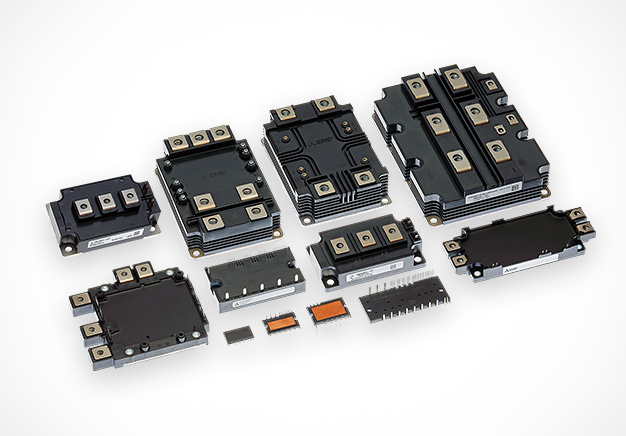
- Market landscape: Silicon devices still dominate the market, but the market share of SiC and GaN wide bandgap semiconductors is growing.
- Production capacity: Production capacity is expanding rapidly, but there may be an oversupply of SiC wafers.
- Technological development: Power electronic devices are developing towards higher performance, higher reliability, and lower cost.
- Application areas: Widely used in electric vehicles, renewable energy, industrial automation, and other fields.
- Challenges: Risks of overcapacity, pressure for technological innovation, cost control, and supply chain stability.
Conclusion
Power electronics, as the core technology driving the transformation of modern power systems, plays an increasingly important role in our lives. The power electronics industry is in a period of rapid development, with expanding market scale and continuous technological innovation. The rise of SiC and GaN wide bandgap semiconductors has brought new development opportunities to the power electronics industry. However, challenges such as overcapacity, pressure for technological innovation, cost control, and supply chain stability also need to be addressed. In the future, the power electronics industry will develop towards higher performance, higher reliability, and lower cost, providing strong support for the digital transformation of various industries.
Semicone IC Hot Chips
|
ADI
|
Analog-to-digital converter
16-bit resolution, 8 channels
Supports simultaneous or time-sharing sampling and conversion of multiple analog signal sources
Suitable for multi-channel data acquisition system
|
|
TI
|
Microcontroller (MCU) low voltage operating device
1.8V to 3.6V
16MHz CPU, 16KB flash program memory and 512B SRAM
It is suitable for portable devices with high power consumption requirements such as battery power supply
|
|
TI
|
Power switch chip
The voltage range is 1V to 5.5V
The single channel load switch chip is widely used in various electronic equipment, such as portable equipment, communication equipment, industrial control equipment, which can realize efficient management and control of power supply
|
Email: info@semicone.com
ADI and Tata Group Partner to Boost India's Semiconductor Manufacturing
From Pixels to Perception: Advancements in CMOS Image Sensor Technology
Related Article
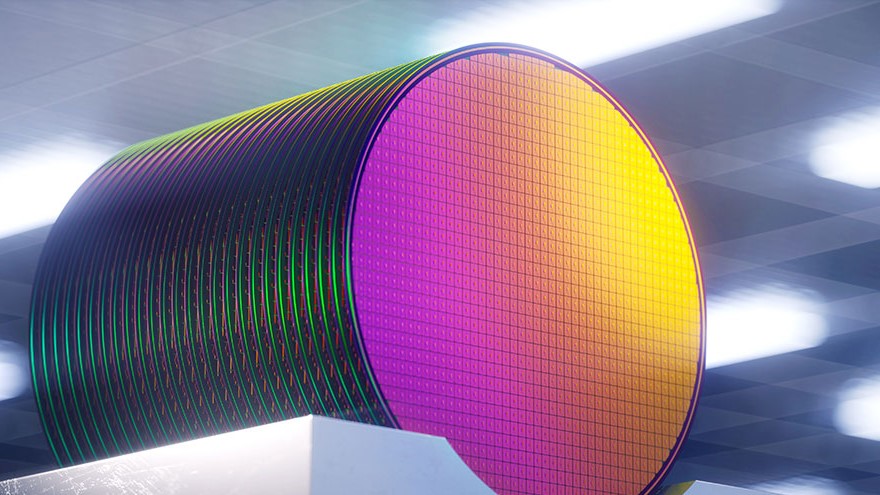
Soitec, commanding ~95% of Photonics-SOI substrate share, secures long-term orders with deposit-backed capacity locks to prevent overbooking.
Silicon Photonics Demand Surges, Soitec Locks In Capacity via Long-Term Contracts
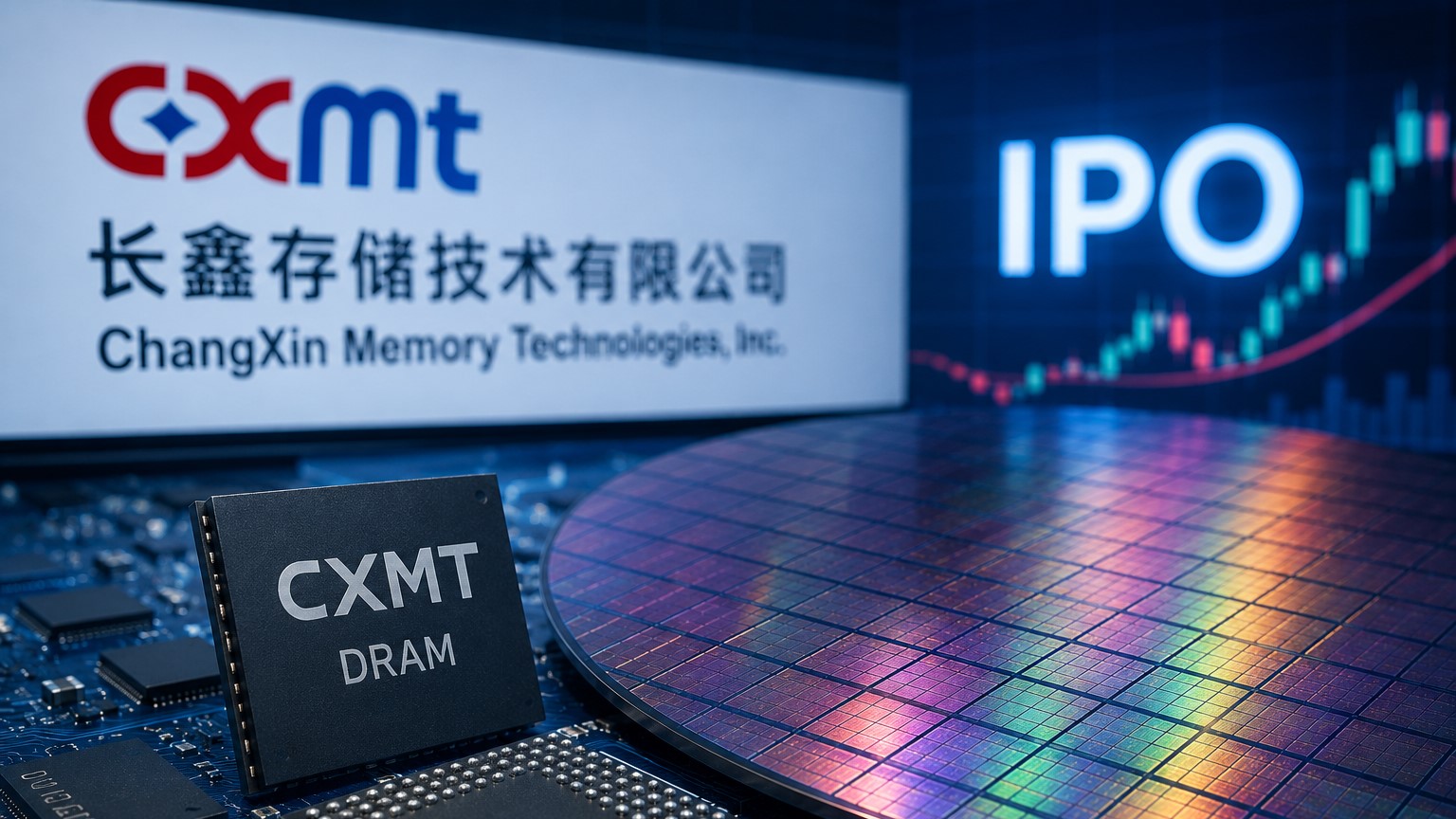
China's CXMT accelerates HBM3E risk production while scaling DRAM to 350K wafers/month. With 12-month cleanroom builds versus 2 years globally...
CXMT Kicks Off HBM3E Risk Production