Business Adjustment of Chip Giants: Focusing on Core and Divesting Non-Core Businesses
2025-06-13
Competition in the global chip industry is becoming increasingly fierce, with rapid technological iteration and constantly changing market demands. In order to maintain a leading position in the intense market competition, chip giants have been making strategic adjustments, especially in the first half of 2025, by divesting non-core businesses and focusing on core areas of competitive advantage to achieve optimized resource allocation and sustainable corporate development.
The chip industry is the core of modern technology, and its development is influenced by multiple factors, including the global economy, technological progress, and geopolitical issues. In recent years, with the rapid development of emerging technologies such as artificial intelligence, 5G communication, and the Internet of Things, the landscape of the chip market has also been changing. On the one hand, the demand for high-end chips continues to grow, especially in high-performance computing, data centers, and autonomous driving. On the other hand, traditional chip markets are facing problems of overcapacity and intensified competition. To meet these challenges, chip giants have had to reassess their business layouts and divest businesses that are less profitable or do not align with their core strategies.
Business Adjustment of Memory Chip Giants
1. Storage Giants Exiting the DDR3 and DDR4 Markets
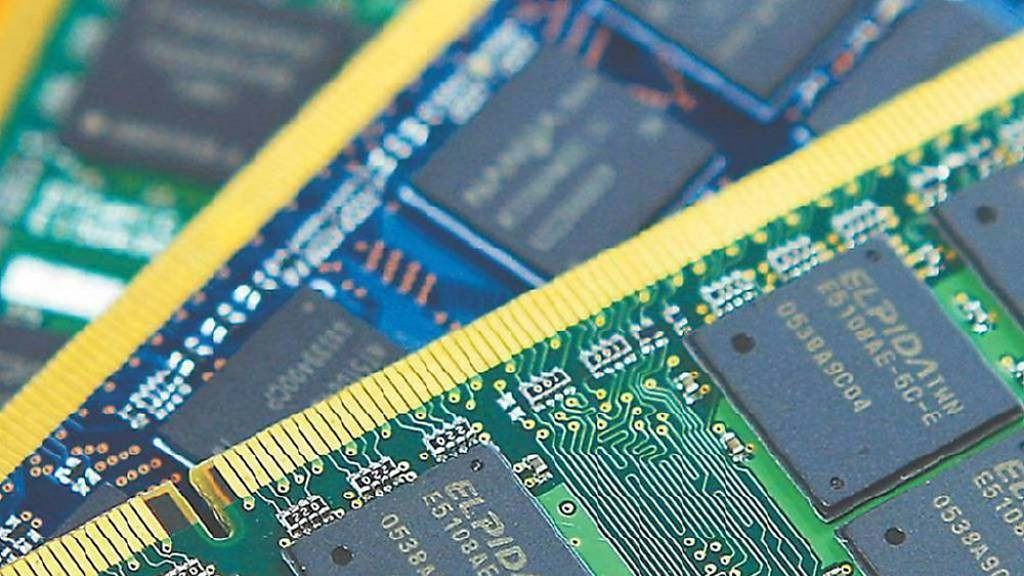
Samsung, SK Hynix, and Micron, the leading DRAM manufacturers, plan to discontinue the production of DDR3 and DDR4 memory. This decision is mainly driven by the increasing demand for the latest memory technologies such as HBM (High Bandwidth Memory) and DDR5, as well as the declining profitability of DDR3 and DDR4 memory. Samsung had already ceased production of DDR3 in the second quarter of 2024 and continued to reduce DDR4 capacity. SK Hynix's share of DDR4 also dropped below 20% in the fourth quarter of 2024. With the exit of these giants, the supply of DDR3 and DDR4 in the market will significantly decrease, potentially leading to supply shortages.
2. Samsung Exits the MLC NAND Business
Samsung Electronics plans to discontinue MLC NAND flash production in June 2025 and will accept the last batch of orders in that month. MLC NAND accounts for less than 1% of Samsung's total revenue, while the global NAND market has shifted mainstream to TLC and QLC technologies. Samsung is currently pushing for the mass production of new NAND products such as 176-layer, 238-layer, and 286-layer technologies. The need for old production line upgrades and technology migration further compresses the capacity space for MLC. Samsung is shifting its MLC-related capacity focus to the automotive electronics sector to explore new profit growth points.
Business Divestiture and Restructuring of Chip Giants
1. Western Digital Exits SSD to Focus on HDD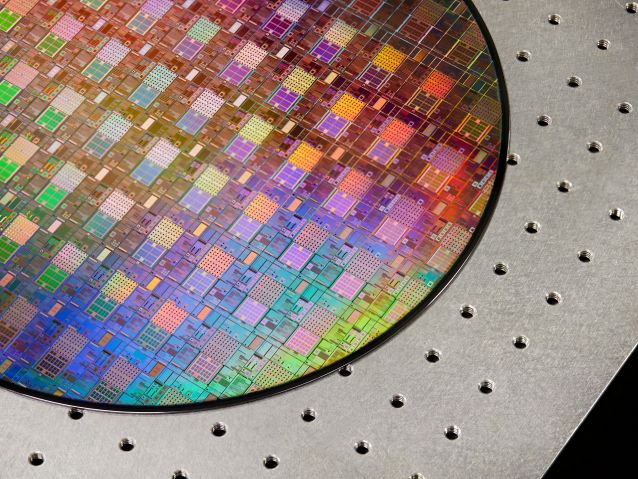
In March 2025, Western Digital announced the divestiture of its NAND flash business and will no longer produce NAND and SSD products, focusing instead on the mechanical hard disk drive (HDD) market. There are multiple factors behind this decision: The consumer-grade SSD market is highly competitive with continuously declining profit margins; the demand for enterprise-level high-capacity HDDs has surged with the development of AI in data centers and cloud computing, making it a new blue ocean; by spinning off the SSD business to its subsidiary SanDisk, it can achieve specialization—SanDisk focuses on flash memory technology, while Western Digital focuses on HDD innovation.
2. SK Hynix Shuts Down CIS Chip Business
In March 2025, SK Hynix announced the closure of its CIS department. The CIS business has been underperforming, with a market share of only 4% and revenue of approximately $870 million in 2023, far behind competitors such as Sony, Samsung, and Will Semiconductor. The persistent downturn in the smartphone market has also severely impacted the profitability of the CIS business. SK Hynix is concentrating its resources on the HBM field to consolidate its leading position in AI chips.
3. Sony Plans to Spin Off Semiconductor Business
Sony Group is considering spinning off its semiconductor business and plans to achieve this by 2025 at the earliest. The profit margin of Sony's imaging and sensing division has dropped to just over 10%, making it the only negative-growth segment among Sony's six major business areas. The main reasons for the growth bottleneck in Sony's semiconductor business are the sluggish global smartphone market and the rising supply chain costs due to U.S. tariff policies. By spinning off the semiconductor business, Sony can more flexibly raise funds and expand.
Future Outlook
The strategic adjustment of the global semiconductor industry is an inevitable choice under the pressure of intensified market competition and cost control. The "business divestiture" of chip giants not only injects new vitality into their own development but also provides new opportunities for other semiconductor companies. In the future, with the rapid development of emerging technologies such as artificial intelligence, 5G communication, and the Internet of Things, the chip industry will continue to face new opportunities and challenges. Semiconductor giants will need to continuously optimize their business layouts, focus on core areas of competitive advantage, and actively expand into emerging technology fields to achieve sustainable corporate development.
Semicon IC Distributors and Chip Wholesalers
As the global semiconductor industry continues to evolve, reliable distribution and wholesale partners play a crucial role in connecting manufacturers with diverse market needs. Semicon IC, a leading distributor and wholesaler, specializes in providing a wide range of high-quality semiconductor chips to meet various application requirements. Here are some of the popular IC models:
● TS5A3166YZPR: A high-performance analog switch known for its low on-resistance and fast switching speed, ideal for signal routing in communication and industrial applications.
● SURS8360T3G: A robust power management IC designed for efficient voltage regulation, suitable for consumer electronics and portable devices.
● ADP198ACPZ-R7: A precision voltage regulator with low dropout and high accuracy, perfect for sensitive applications requiring stable power supply.
● FPF2700MPX: A high-frequency power amplifier IC, optimized for wireless communication systems, delivering high efficiency and excellent signal performance.
Email: info@semicone.com
Electronic Components: The Synergistic Role of Passive and Active Components
Apple Delays Siri Revamp: New Version Coming in 2026
Related Article
ITC launches 337-TA-1523 into DDR5 DRAM, targeting Micron, HPE, Lenovo, Supermicro over Netlist patents. Exclusion orders could block US imports.
ITC Opens Section 337 Investigation into DRAM: Sparked by Netlist

Qualcomm acquires PickNik to integrate MoveIt with Dragonwing, advancing physical AI and targeting $40B non-handset revenue by 2029.
Qualcomm Expands Robotics Footprint with PickNik Acquisition