US to Increase Tariffs on Japanese Semiconductors to 15%
2025-07-30
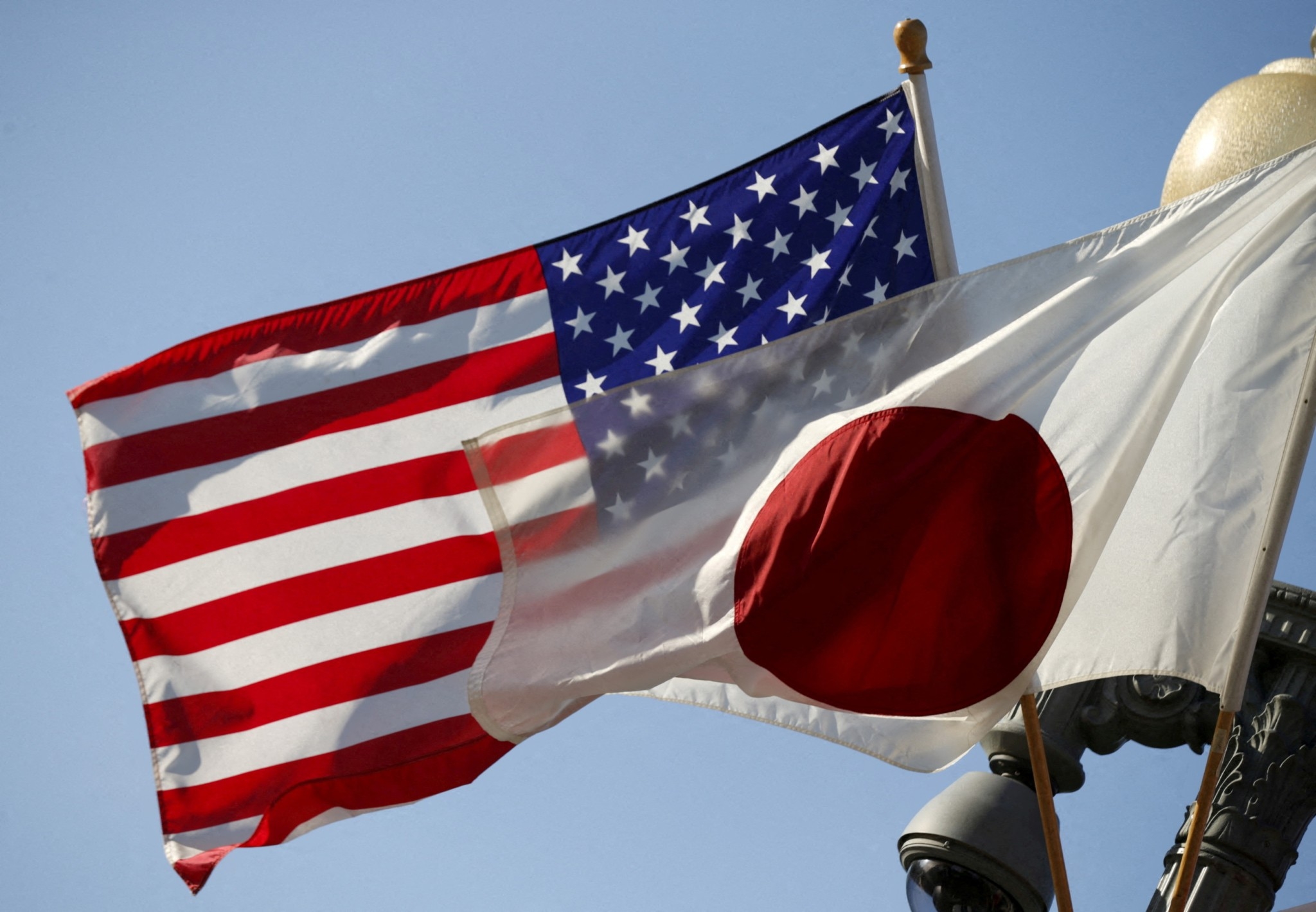
The trade relationship between the US and Japan is undergoing a significant adjustment. On July 29, 2025, Japanese government officials revealed that, as part of the Trump administration's tariff measures, the US plans to raise the tariff rate on Japanese semiconductors and pharmaceuticals to 15%. This adjustment is based on the US government's assessment of the importance of semiconductors and pharmaceuticals to economic security, deeming these products crucial to the US economy and national security.
 Tariff Adjustment Details
On July 23, 2025, the US and Japan reached a "reciprocal tariff" agreement, which explicitly increased the tariff on automobiles to 15%. Building on this, the US further announced that it would impose a 15% tariff on Japanese semiconductors and pharmaceuticals. This tariff adjustment is consistent with the tariff agreement the US previously reached with the EU, which also imposes a 15% tariff on semiconductors and pharmaceuticals from the EU.
Although the US-Japan agreement did not specify the exact tariff rates, it stipulated that if the US imposes tariffs on semiconductors and pharmaceuticals from other countries, Japan would receive no less favorable treatment than other countries. This means that if the US reaches a lower-tariff agreement with other countries in the future, Japan would automatically apply the lower tariff rate.
Japan's Response
In the tariff negotiations, Japan adopted a flexible negotiation strategy. Ryosei Akazawa, Japan's Minister of Economy, Trade and Industry, stated that Japan prefers to prioritize the signing of an executive order by US President Trump to quickly implement the 15% tariff, rather than drafting a legally binding bilateral agreement. This strategy aims to quickly reduce tariffs and minimize the negative impact of trade friction on Japan's economy.
As a quid pro quo for the tariff adjustment, Japan has committed to investing in and purchasing from the US across multiple sectors. Specific measures include: increasing the proportion of rice imported from the US; purchasing 100 Boeing aircraft; adding billions of dollars in US defense equipment purchases; entering into new contracts for Alaskan liquefied natural gas projects; adjusting electric vehicle subsidy policies to reduce barriers to entry for US-made cars in Japan. In addition, Japan has pledged to invest $550 billion in the US to help rebuild and expand its key industries.
Impact on the Semiconductor Industry
The tariff adjustment will have multifaceted impacts on Japan's semiconductor industry. On one hand, the 15% tariff will increase the cost for Japanese semiconductor companies in the US market, potentially weakening their market competitiveness. On the other hand, Japanese semiconductor companies may seek to cope with the increased cost pressure by optimizing their supply chains and improving production efficiency.
Moreover, the US's 15% tariff on Japanese semiconductors could trigger a chain reaction in the global semiconductor market. Japanese semiconductor companies may adjust their global market layout to seek out other low-tariff markets. Meanwhile, semiconductor companies from other countries may seize the opportunity to expand their market share in the US. This tariff adjustment could also prompt other countries to adopt protectionist measures for their semiconductor industries.
Future Outlook
The direction of US tariff policy remains uncertain. On one hand, the US may continue to use tariffs as a means to protect its economic security. On the other hand, the US may also seek lower tariff rates in trade negotiations with other countries. Additionally, domestic political factors in the US could influence tariff policies.
In the global semiconductor industry, tariff adjustments may accelerate the restructuring and integration of the sector. Semiconductor companies may optimize their supply chains and improve production efficiency to cope with increased costs. Meanwhile, governments around the world may increase support for their semiconductor industries to promote independent innovation. The competitive landscape of the global semiconductor industry may undergo significant changes in the future.
Semicon IC Parts Distributor
In the dynamic semiconductor market, finding a reliable distributor is crucial. Semicon excels as a leading semiconductor chip distributor, offering a diverse range of high-quality ICs to meet various needs. Here are some popular IC models:
● DRV8833PWPR: A dual-H-bridge motor driver with integrated protection features, ideal for small-form-factor robotics and automation projects.
● MPQ8633AGLE-Z: A high-efficiency synchronous buck converter, perfect for applications requiring compact size and high power density.
● ATTINY24A-SSU: An 8-bit AVR microcontroller with low power consumption, suitable for battery-powered devices and IoT applications.
Email: info@semicone.com
$4.3 Billion! LG Energy Solution Secures a Major Battery Order from Tesla
Mature Semiconductor Processes Under Siege: The Order Cancellation Crisis
Related Article

Renesas raises prices again; new rates start Jan 1, 2027. Cost inflation and AI data center buildout boost power chip demand. Secure high-demand parts with SEMICONE.
Renesas Raises Prices Again This Year: New Prices Take Effect in 2027
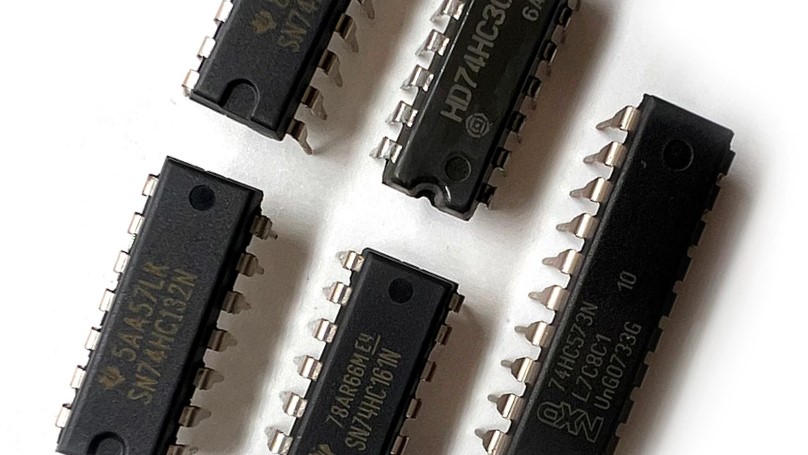
Why do 74-series logic ICs still matter? Spanning TTL to CMOS, this standardized family covers everything from decoders to bus buffers across 2–6V systems.
The 74 Series Logic ICs: A Detailed Guide and Selection Handbook