STM32 Series 32-bit Flash MCU: Architecture, Applications, and Future Trends
2025-03-06
In the vast realm of embedded systems, the STM32 microcontroller has emerged as a leading contender, renowned for its exceptional performance, extensive peripheral resources, and broad range of applications. As a flagship product from ST Microelectronics(ST), the STM32 series is based on the ARM Cortex-M core, offering developers robust computational power and flexible system configuration options. This article delves into the core architecture, application domains, and future development trends of the STM32 mcu, while also introducing some popular STM32 models to provide readers with a comprehensive understanding of this versatile device.
STM32 Microcontroller Core Architecture
The core architecture of the ST' STM 32 microcontroller originates from the ARM Cortex-M core, which is celebrated for its high efficiency, low power consumption, and excellent real-time response capabilities. The Cortex-M core supports the Thumb-2 instruction set, a hybrid that combines the strengths of both Thumb and ARM instruction sets. This integration maintains the high performance of 32-bit instruction sets while achieving the code density of 16-bit instruction sets, significantly simplifying the development process.
Within ST electronics's STM32 series, several models have gained widespread popularity due to their outstanding cost-performance ratio and rich peripheral resources. For instance, the STM32F103C8T6 features an ARM Cortex-M3 core with a clock speed of up to 72MHz, equipped with 64KB of Flash memory and 20KB of SRAM. It supports a variety of communication interfaces and peripherals, making it suitable for a wide range of applications from basic learning to complex industrial control. Additionally, the STM32F030C8T6, an entry-level microcontroller, is an ideal choice for cost-sensitive applications due to its low-power design and moderate peripheral configuration.
Applications of STM32 MCUs
The extensive application domains of STM32 microcontrollers are a key factor in their success. In the field of industrial automation, STM32 has become the preferred choice for industrial control systems due to its high reliability and real-time performance. Whether it is data acquisition from sensor nodes or precise control of actuators, STM32 provides stable and reliable solutions. In particular, high-end applications such as the STM32F405RGT6 and STM32F407VET6 models, equipped with high-performance Cortex M4 as a program and rich peripheral resources, are capable of meeting the demands of complex industrial environments.
In the smart home market, STM32 microcontrollers also play a significant role. From smart appliances to intelligent lighting systems, STM32's powerful processing capabilities and low-power characteristics provide strong support for the intelligentization of home life. Driven by the Internet of Things (IoT) technology, STM32 microcontrollers have become a core component of smart home devices. For example, models like the STM32G070CBT6, with their low power consumption and efficient processing capabilities, have been widely adopted in the smart home sector.
Furthermore, STM32 microcontrollers have demonstrated strong application capabilities in fields such as automotive electronics, wireless communication and IoT, robotics, and drones. In automotive electronics, STM32 is used in in-vehicle infotainment systems and body control systems, enhancing the intelligence level of automobiles. In the realm of wireless communication and IoT, STM32 connects various wireless modules to enable remote monitoring and data transmission of devices. In robotics and drones, STM32 is employed for sensor data acquisition and motor speed control, ensuring stable device operation. In these high-end applications, models such as the STM32F407VGT6, STM32F7 series, and STM32H7 series, with their superior performance and rich peripheral resources, have played a crucial role.
Future Development Trends of STM32 Microcontrollers
Looking ahead, STM32 microcontrollers will continue to maintain their leading position and innovate continuously. With the increasing popularity of IoT and artificial intelligence technologies, higher computational speed requirements are being placed on microcontrollers. STM32 will continuously optimize its core architecture to enhance computational speed, meeting the demands of complex application scenarios. For example, the STM32H7 series features a high-performance ARM Cortex-M7 core with a clock speed of up to 480MHz, supporting complex algorithm processing and signal processing tasks. At the same time, in line with the global trend towards energy conservation and environmental protection, low-power design will become an important development direction for STM32 microcontrollers. Various models in the STM32 series, including the STM32F0 series and STM32G0 series, will continue to break through in low-power design to meet market demands for energy efficiency.
In addition to improvements in performance and power consumption, security will be another key focus area for the future development of STM32 micro controllers. As cybersecurity issues become increasingly severe, the security of microcontrollers is a growing concern. STM32 will enhance its security design by providing hardware-level security protection to ensure the safety of data and systems. This feature is prominently reflected in high-end models such as the STM32H7 series, which offer stronger security capabilities to meet the needs of high-security applications.
Moreover, STM32 microcontrollers will continue to expand their application domains. With continuous technological advancements and market expansion, STM32 will be applied in more emerging fields, such as wearable devices and smart cities. Meanwhile, high-end models in the STM32 series will continue to leverage their performance advantages, playing a significant role in high-end application areas.
Conclusion
The STM's STM32 microcontroller ICS holds a pivotal position in the embedded systems domain. Its powerful performance, extensive peripheral resources, and broad application scenarios have led to its widespread adoption across numerous industries. In the future, as technology continues to advance and market demands evolve, the STM32 microcontroller will maintain its leading edge and continue to innovate. Whether for basic application needs or high-end application domains, STM32 can provide stable and reliable solutions. We are confident that in the future development of technology, the STM32 microcontroller will continue to play a vital role, providing strong support for the intelligentization and efficiency of embedded systems.
Email: info@semicone.com
High-Precision BMS Chips: Driving the Future of Battery Management
Microsoft Shuts Down Skype: The Evolution of Communication
Related Article
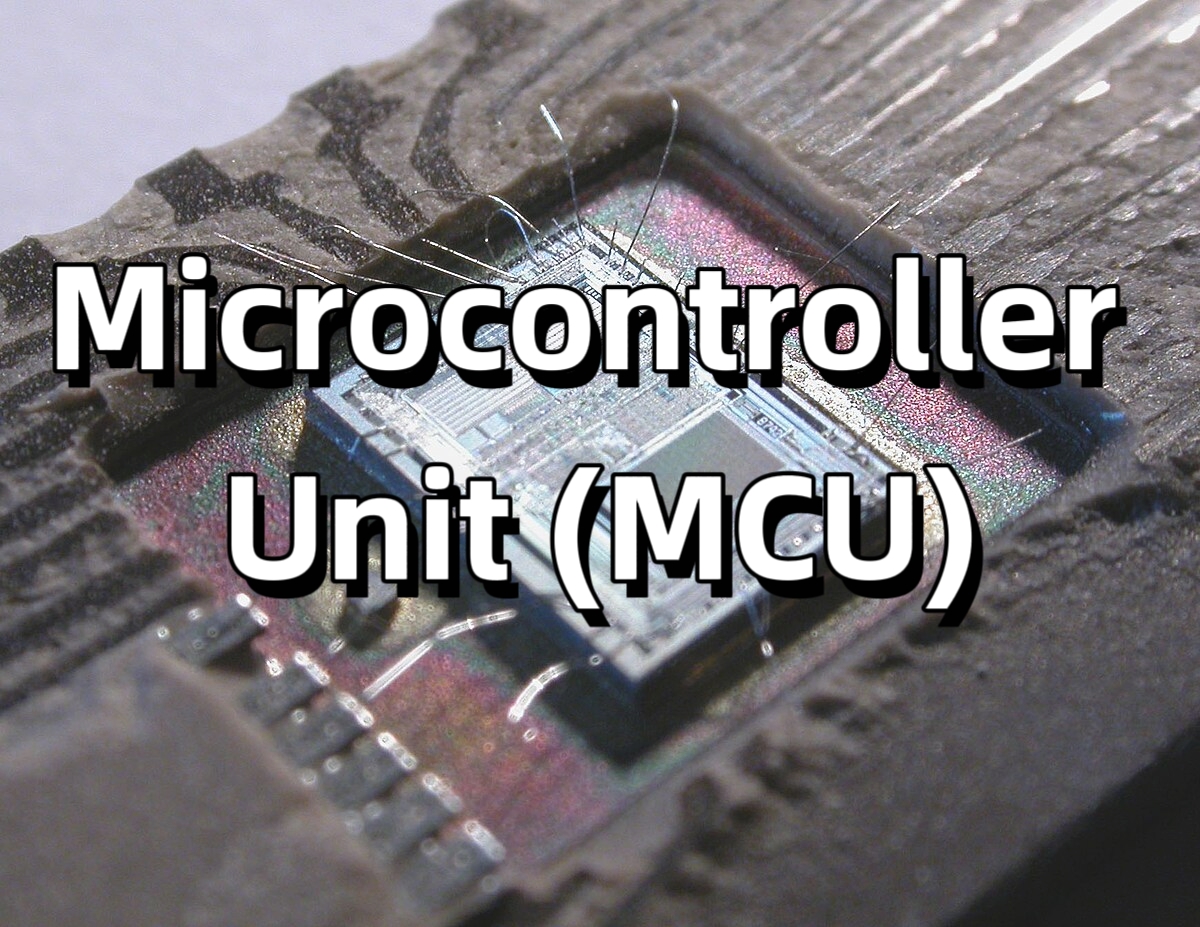
A core component of modern electronic devices, a microcontroller unit (MCU), also known as a microcontroller or single-chip microcomputer, is a microcomputer chip that integrates a processor, memory, and input/output interface into a single unit.
What Microcontroller Units and How does the MCU work?
ST faced a 41.3% drop in MCU sales in the first nine months of 2024, with fixed-price contracts and market competition contributing to the decline. Despite challenges, signs of market recovery are observed...
STMicroelectronics MCU Sales Hit a Cold Spell: Market Challenges and Recovery Signs Amid Multiple Factors
STMicroelectronics (ST) is a world-renowned supplier of semiconductor solutions and has established itself as an industry leader since 1987 when it was formed by the merger of SGS Microelectronics of Italy and Thomson Semiconductor of France.
STMicroelectronics (ST) : Leader And Innovator In Semiconductors
AI MCUs, integrate AI capabilities directly into traditional MCUs, are emerging as a pivotal technology in motor control and various other applications. Explore how AI MCU are enabling smarter devices.
AI MCU: Revolutionizing Motor Control and Driving Intelligence Across Industries
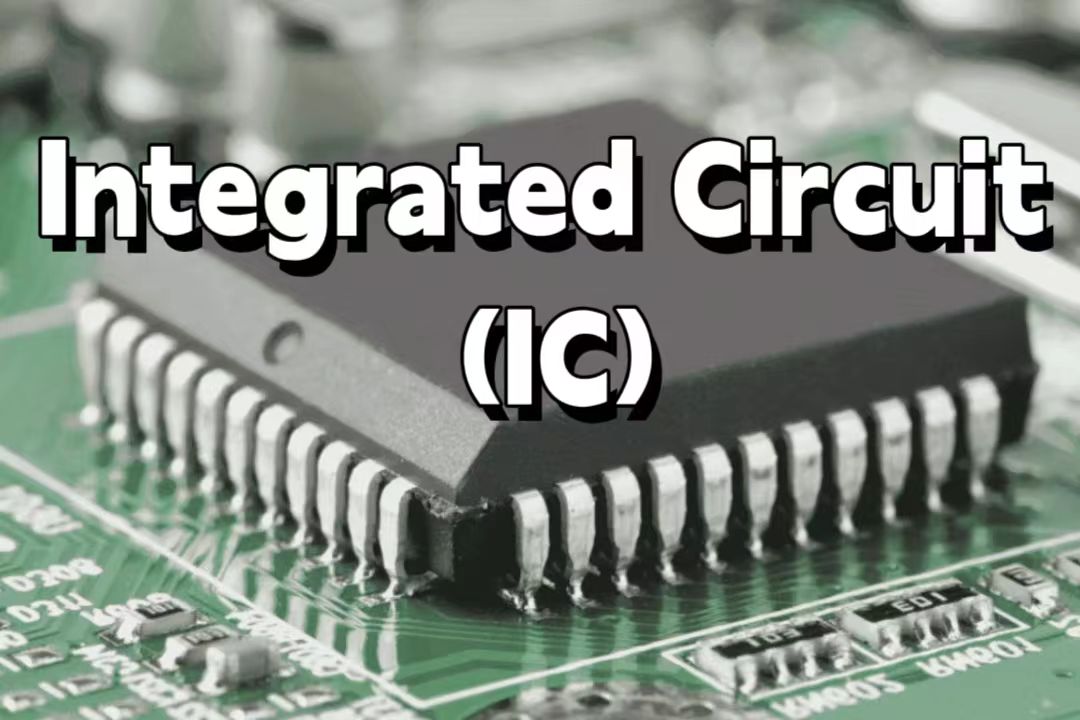
Integrated Circuit (IC) An electronic device with a specific function that covers almost all electronic devices. Understand IC principle, classification, function...
Integrated Circuit (IC) Technology Introduction: Fundamentals, Classification, Functions, Applications, and Future Trends
Texas Instruments launches TMS320F28P55x and F29H85x MCUs, featuring NPU for AI and 64-bit C29 DSP core for high performance.
Deciphering Texas Instruments' New MCU Series: TMS320F28P55x & F29H85x Lead Trend of Intelligentization
Embedded IC, a specialized integrated circuit, designed to be embedded within a system, device, or equipment to perform specific functions or control tasks. Find the right MCU, FPGA, DSP and other chips, instantly contact Semicon.
Embedded IC: In-depth Analysis and Application Exploration