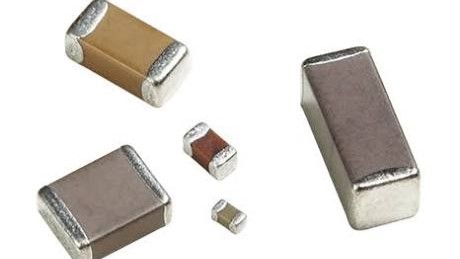
What Is Relay Component
2024-08-07
In the tide of modern industrial automation, the relay plays an essential role. As an electronic control device, the relay achieves precise control of high current or high voltage circuits through small current or voltage signals. This article will delve into the definition, working principle, application fields, performance characteristics, and future development trends of Relays.
Definition and Basic Principle of Relays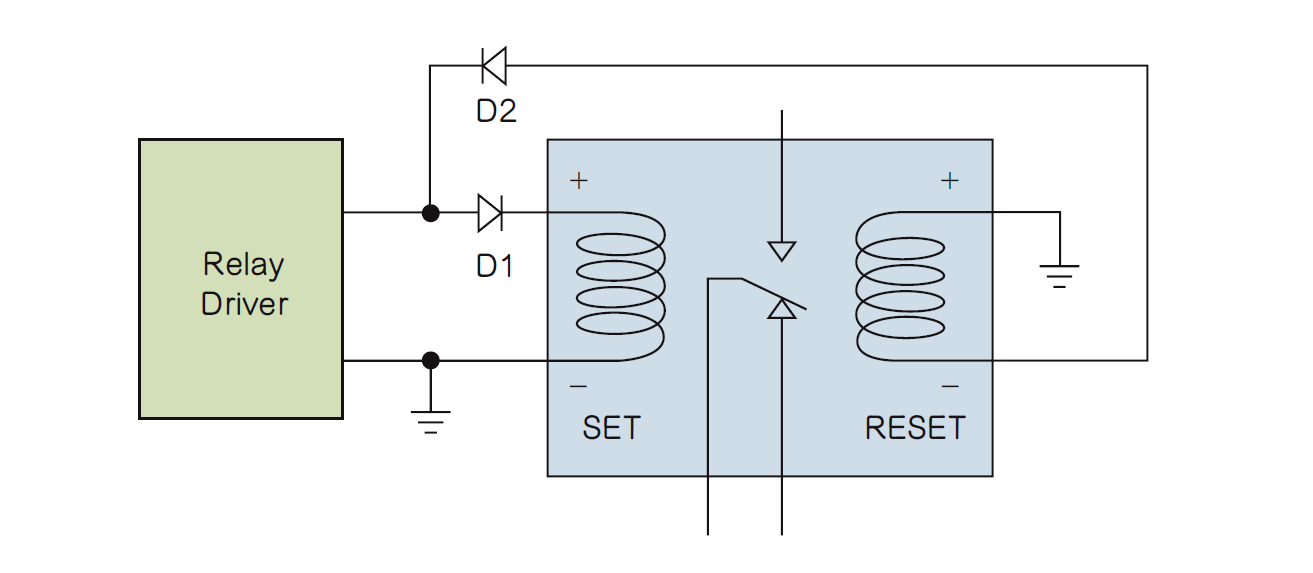
A relay is an automated switching device that uses electromagnetic induction principles to achieve automatic control. Its core function is to receive signals through the input part (control coil) and drive the output part (contact system) to make the circuit connected or disconnected. When the input signal reaches a preset threshold, the relay's contacts will switch states, completing the control task. Relays are widely used in remote control, telemetry, communication, automatic control, mechatronics, and power electronics equipment.
Classification and Application of Relays
Relay types are diverse and can be divided into various categories based on different criteria such as working principles, structural features, and load capacity. These include electromagnetic relays, solid-state relays, temperature relays, reed relays, time relays, high-frequency relays, polarized relays, and other types such as optical relays, acoustic relays, thermal relays, etc. Common relays include:
- Electromagnetic Relay: Based on electromagnetic principles, it controls the closing and opening of contacts through the magnetic field generated by the coil. It can be divided into direct current (DC) electromagnetic relays and alternating current (AC) electromagnetic relays.
- Solid-State Relay (SSR): No mechanical contacts, using semiconductor devices, characterized by high reliability and long life.
- Latching Relay: Combines the characteristics of electromagnetic relays and permanent magnets, changing state only when the coil is energized, and then maintaining the current state even after power is cut off.
- Thermal Relay: Utilizes the thermal effect of electric current to protect downstream circuits, mainly used for overload protection of equipment such as motors.
- High-Frequency Relay: Designed specifically for high-frequency signal lines, characterized by minimal loss.
- Optoelectronic Relay: Achieves circuit control using the photoelectric effect.
- Power Relay: Used to control high-power loads, such as motor drives, etc.
Different types of relays play a key role in fields such as industrial automation, power system protection, smart homes, and safety control. For example, in the field of industrial automation, relays can realize the switching, protection, and delay functions of equipment; in power systems, relays are used for circuit protection and control, such as overcurrent protection; in household appliances, relays can perform remote switching control and timing functions; in automotive electronics, relays are used for control of headlights, air conditioning systems, etc.; in communication systems, relays are used for power switching and signal transmission.
Performance Features and Selection
The performance features of relays include fast response, long service life, and small size. Reasonable selection can ensure the stability and reliability of relays in applications. Therefore, when selecting, the following factors should be considered:
- Load type and capacity: Choose the appropriate type of relay according to actual needs.
- Electrical performance parameters: Pay attention to parameters such as contact capacity and operating voltage.
- Environmental conditions: Consider the temperature and humidity of the working environment.
Future Development Trends
With technological advancements, relays are moving towards intelligent and digital development. Future relays will integrate more intelligent control technologies, such as sensors and microprocessors, to improve adaptability and accuracy. The application of digital technology will also make the performance parameters of relays more precise and adjustable, meeting a variety of industrial needs.
Summary
As a key component in modern industrial automation, relays with their diverse types and reliable performance provide strong support for automated control systems. With the continuous development of technology, relays will continue to play an important role in the field of automation and continue to innovate, promoting the development of industrial automation to a higher level.
Trending Semicon Chip Components
1. ULN2803ADWR, high voltage, high current driver chip, mainly used to control and drive various inductive loads, such as relays, stepper motors, LED displays, solenoid valves, etc.
2. TLE6220GP, an automotive-grade constant-current control chip from Infineon, is designed to build the drive circuit for on-off valves in electro-hydraulic control systems. The output stage is controlled through an 8-bit serial peripheral interface (SPI), providing flexible control options.
3. G5RL-1A-E 5VDC is a power relay with a fixed voltage of 5VDC, its main role is to control the on-off of the circuit in electronic equipment. This relay can control the load circuit of high current and high voltage when receiving the control signal of low current and low voltage.
Email: info@semicone.com
Lidar Company Cepton Technologies, Acquired by Koito
LG Display and Samsung Display Compete for iPhone 16 OLED Orders
Related Article
Samsung and Broadcom seal a historic $200B, five-year semiconductor pact through 2030. Spanning 2nm foundry, HBM memory, and advanced packaging.
Samsung and Broadcom Ink $200 Billion Mega Deal

Mobileye overhauls strategy: CEO Shashua exits after 30 years, Moovit cuts 60 jobs. The company refocuses on in‑house robotaxi launch in 2027.
Mobileye Strategic Overhaul: Moovit Cuts 30% of Staff, Founder CEO to Step Down