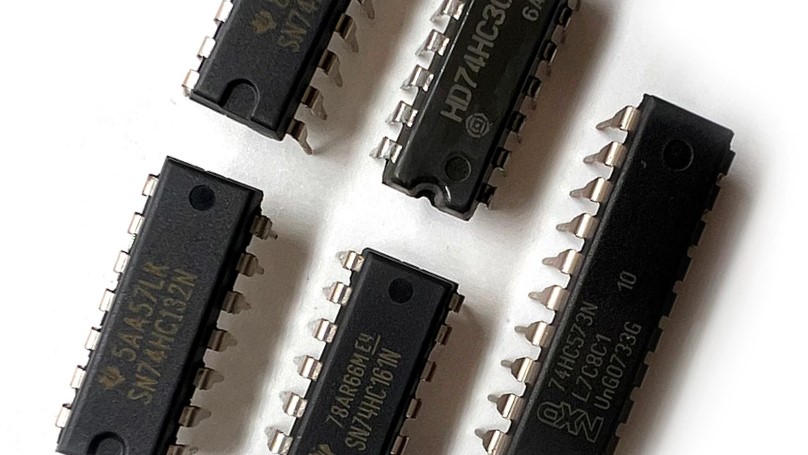
Comprehensive Analysis of Interface IC: From Principles to Future Trends
2024-12-04
In today's digital age, Interface Integrated Circuits (Interface ICs) have become key components for connecting different electronic devices and systems. They are responsible not only for data transmission and signal conversion but also directly impact the performance and user experience of devices. This article will provide a detailed introduction to the definition, classification, market prospects, selection guide, and future trends of Interface ICs, offering a comprehensive perspective.
Overview and Working Principle
Interface ICs are crucial components used for connecting and communicating between different devices. They play a significant role in fields such as telecommunications, computers, and communication systems, ensuring accurate and efficient data transmission between different devices.
Specifically, Interface ICs act as a medium for data exchange between electronic devices, integrating processors, memory, and complex interface circuits to facilitate connections and communication between different devices or systems. Processors handle data processing and computation tasks, such as encryption and decryption, ensuring the accuracy and security of information. Memory is used to store necessary programs and data, including Read-Only Memory (ROM) and Random Access Memory (RAM), providing support for device operation. The interface circuitry is the key channel for communication between Interface ICs and external devices, adhering to specific protocols and standards, such as the ISO7816 standard, ensuring smooth data transmission. It is the synergy of these components that makes Interface ICs essential for connecting different devices and enabling data interaction.
Classification and Types
Interface ICs can be classified into various types based on their application fields and functions, such as Telecommunication Interface ICs, Network Equipment Interface ICs, and Specialized Interface ICs.
1. Telecommunication Interface ICs: Play a core role in the telecommunications field, including mobile communication and fixed telephone networks. They not only support high-speed data transmission but also have strong encryption and decryption capabilities, ensuring the security and privacy of communications. For example, some models of telecommunication interface ICs integrate GSM/GPRS modules, supporting functions like SMS and voice calls, providing robust communication support for devices such as mobile phones and base stations.
2. Network Equipment Interface ICs: Play an important role in network devices such as routers and switches. They support various network protocols, such as Ethernet and Wi-Fi, achieving seamless connections and data transmission between devices. For instance, Cisco's WIC (Wide Area Interface Module) and VWIC (Voice Interface Module) offer a rich selection of interface options for network devices, meeting the needs of different application scenarios.
3. Specialized Interface ICs: Designed for specific application scenarios, such as high-speed serial bus interfaces (PCIe, USB, SATA, etc.). These interface ICs not only have the capability for high-speed data transmission but also feature low power consumption and high reliability, widely used in computer hardware, consumer electronics, and other fields.
Selection Guide of Interface IC
When selecting Interface ICs, it is necessary to consider various factors, including functional requirements, performance parameters, compatibility, reliability, and cost.
· Functional Requirements: Clarify the system's required functions, such as data transmission rates and encryption capabilities, ensuring that the chosen IC meets application needs.
· Performance Parameters: Pay attention to the transmission rate, latency, power consumption, and other performance parameters of the Interface IC to ensure they meet system requirements.
· Compatibility: Ensure that the chosen Interface IC is compatible with other components in the system, adhering to the same interface protocols and standards.
· Reliability: Choose ICs that have undergone rigorous testing and have high reliability to ensure long-term stable operation of the system.
· Cost: Considering cost factors, select ICs with high cost-performance ratios to reduce system costs while meeting functional requirements.
Future Trends and Outlook
With the rapid development of technologies such as the Internet of Things (IoT) and artificial intelligence (AI), the Interface IC market is expected to have a broader development prospect. The market size of Interface ICs was about 3 billion USD in 2023 and is expected to grow at a compound annual growth rate of over 3% from 2024 to 2032, with an estimated market value of 3.5 billion USD by 2032.
As 5G networks expand and data traffic surges, the demand for ICs capable of supporting faster data transmission rates and handling higher bandwidths increases. At the same time, the growth of green technology and sustainability initiatives has driven attention to energy efficiency, with manufacturers developing ICs that consume less power while maintaining high performance. Additionally, the growth of AI and ML applications requires advanced processing capabilities and efficient data handling, promoting the development of specialized ICs that support AI and ML functions.
Conclusion
Interface ICs, as core components for data exchange between electronic devices, are self-evidently important. As technology continues to develop and innovate, the demand and innovation for Interface ICs will continue to grow. Understanding market trends and selecting the right Interface ICs are crucial for ensuring the performance and reliability of electronic systems. With the increasing global demand for high-performance interface solutions, the Interface IC industry will continue to drive technological innovation and market expansion.
Hot Semicone Interface ICs
Semicon Electronics is a distributor of ic components, focused on delivering high-quality chips and exceptional service. The main offerings include interface, sensors, connectors, controllers, PMICs, and more.
- The HMC677LP5E is a multifunction BiCMOS control interface IC designed for driving FET and pHEMT-based MMIC control devices, featuring serial or parallel data acceptance, up to six complementary output sets, and additional functionalities such as power-up state selection and adjustable output voltage levels.
- The TPS2372-4RGWR is a high-power PoE PD interface chip that supports IEEE 802.3bt (draft) Type 3 or Type 4 PoE, capable of delivering up to 90W for Type-4 operation, featuring robust 100V hotswap MOSFETs, automatic MPS function, and PG output with inrush completion delay.
- The TLV320AIC23BIPWR is a high-performance stereo audio codec with integrated analog functionality, featuring multibit sigma-delta ADCs and DACs, supporting data-transfer word lengths of 16, 20, 24, and 32 bits with sample rates from 8 kHz to 96 kHz, and is ideally suited for portable digital audio-player and recorder applications.
Email: info@semicone.com

Microchip's Sluggish Sales, Factory Closures, and Suspension of Subsidy Applications
Arm Leading the AI Future: Driving Computational Subsystems, Targeting 100 Billion AI-Enabled Devices
Related Article
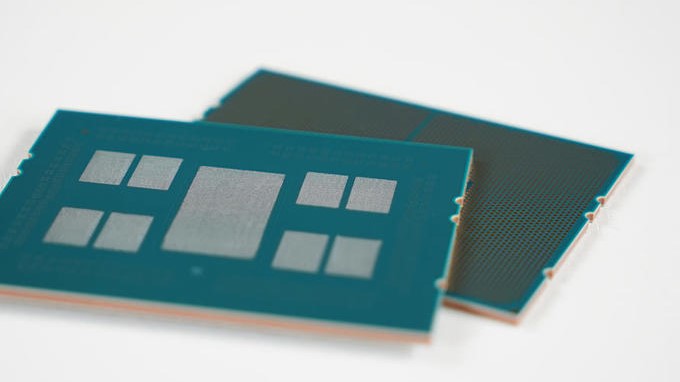
Samsung & Qualcomm develop organic-bridge 2.1D packaging, replacing silicon bridges to cut costs and avoid Intel EMIB patents.
Samsung Electro-Mechanics and Qualcomm Develop Organic-Bridge 2.1D Packaging

Discover popular IC and power components for automotive and industrial systems, with SEMICONE supporting BOM matching, inventory sourcing and component procurement.
Hot-Selling IC Components: Automotive Electronics, Power and High-Performance Devices