Samsung Shifts Focus: Exit from LED Business to Prioritize Semiconductor
2024-09-14
Amidst the ever-evolving global technology landscape, Samsung Electronics has recently announced a significant strategic shift: its Device Solutions (DS) division plans to gradually cease LED lighting production at its Giheung Complex by 2030, marking the company's official withdrawal from this once-pivotal business segment. This decision not only reflects Samsung's tactical response to market challenges but also underscores profound changes in the global LED industry's competitive landscape.
 The Gradual Exit of Samsung's LED Business
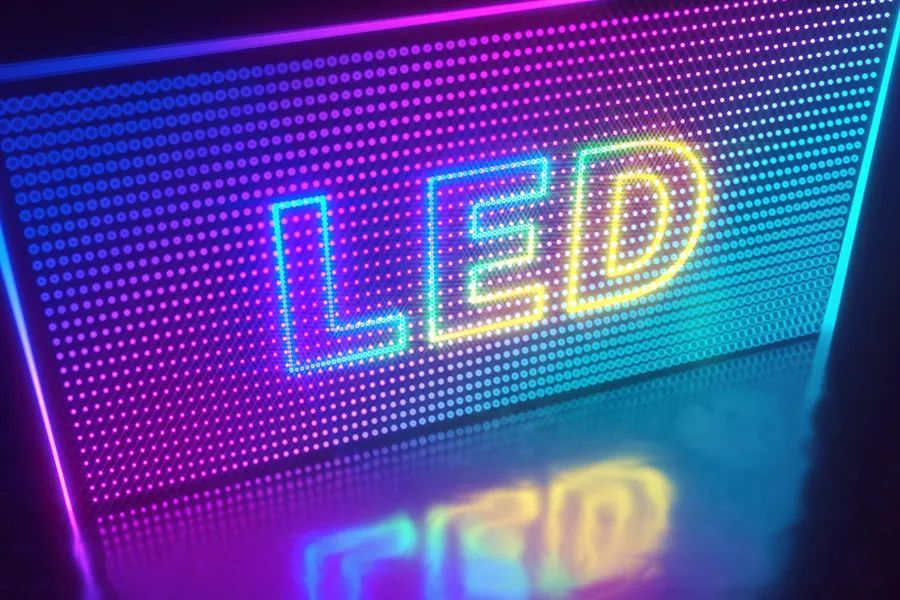
Samsung's LED business encompassed three primary areas: LED lighting for illumination devices, TVs, and automobiles. According to the company's roadmap, this exit process will unfold in phases. Initially, Samsung will halt the production of LED chips for illumination devices and gradually wind down the lighting business within its CSS division by the first half of 2026. Subsequently, in the second half of the same year, the TV LED lighting business will also be discontinued. Ultimately, Samsung aims to fully exit the automotive LED lighting sector by the end of 2030. These measures signify Samsung's steadfast commitment to executing its business restructuring strategy, redirecting resources from less profitable areas towards more growth-oriented directions.
Resource Reallocation to the Semiconductor Sector
As the LED business gradually phases out, Samsung plans to reallocate substantial resources to the semiconductor sector. It is anticipated that the majority of employees previously engaged in the LED business will be transferred to the company's semiconductor factories located in Cheonan or Wonyang, South Chungcheong Province. This transformation represents not only a vote of confidence in the future development of the semiconductor business but also a crucial step taken by Samsung in navigating the global technology industry's transformations. As the cornerstone of modern technology industries, semiconductors are of paramount importance. Samsung's continued investment and expansion in this field will bolster its competitive position in the global market.
Challenges Facing the LED Business
Samsung's decision to exit the LED business is not without reason. In recent years, the company's LED business has struggled to maintain profitability. This can be attributed primarily to intensified market competition and cost control pressures. Fierce price wars from low-cost Chinese products, small enterprises, and renowned foreign brands such as GE, Osram, and Philips have significantly eroded Samsung's market share and profitability. Concurrently, the rapid growth and escalating export share of China's LED market have further intensified global competition. Against this backdrop, Samsung's choice to exit the LED business and redirect resources to more promising areas is undoubtedly a prudent move.
The Rise of China's LED Market
The rapid development of China's LED market serves as a notable backdrop to Samsung's LED exit. Industry reports indicate that China's LED market will experience substantial growth from approximately 50 billion Chinese yuan (USD 7 billion) in 2016 to 150 billion Chinese yuan by 2024, with an annual growth rate exceeding 10%. China's export share of LED lighting products has now surpassed 60%, positioning it as a formidable force in the global LED market. Key Chinese enterprises driving this growth include Guoxing Optoelectronics, BOE Technology, and San'an Optoelectronics, which boast significant advantages in technology and market share.
Conclusion
Samsung's gradual exit from the LED business and resource reallocation to the semiconductor sector represent significant strategic adjustments in response to market challenges and business development needs. This decision underscores Samsung's unwavering confidence in the future of the semiconductor sector and highlights the pressures and challenges faced by traditional enterprises amidst intensifying competition in the global LED industry. With the continuous rise of China's LED market and the ongoing transformations in the global technology industry, we can anticipate that more companies will undertake similar strategic adjustments to adapt to market changes and advancements.
About Samsung Electronics
Founded in 1969, Samsung Electronics, a global leader in technology innovation, is a South Korean multinational conglomerate with a diverse portfolio spanning across various industries. From smartphones like the Galaxy series to cutting-edge televisions and home appliances, Samsung offers a wide range of products. Beyond consumer electronics, the company is a major player in the semiconductor industry, producing memory chips and display panels for various devices. At the forefront of Samsung's operations lies the Electronics division, which is renowned for its cutting-edge products and solutions in consumer electronics, IT services, and home appliances.
Semicon IC Chip Parts
|
STMicroelectronic Automotive electronic grade silicon carbide (SiC) power MOSFETs
Supports voltage up to 1200V
The typical RDS(on) is 15mOhm
Extremely high working junction temperature (TJ=200°C)
Packaged with HiP247-4
It is widely used in power electronic systems requiring high voltage, high current and high efficiency, such as electric vehicle (EV) chargers (OBC), DC-DC converters, motor drives, etc.
|
|
| MAX31790ATI+T |
Maxim Integrated Motor drivers/controllers
Six independent PWM (pulse width modulation) outputs
Provides the tachometer input function
Precise (Q1%) monitoring and control
It plays an important role in a wide range of cooling applications (such as servers, data centers, industrial cooling systems), helping to maintain stable system operation and extend equipment life
|
| TPS568215RNNR |
Texas Instruments Power Management chip single-chip 8A synchronous buck converter
Mainly used for power conversion and voltage regulation
Integrated R DS(on) lower power MOSFETs with Automatic Skip Mode (Eco-mode) and Forced Continuous on-mode (FCCM)
Widely used in server and storage, set-top boxes, high-end DTV, telecommunications and networking, point of load (POL), IPC, factory automation and other fields
|
Email: info@semicone.com
From Pixels to Perception: Advancements in CMOS Image Sensor Technology
Smart Chips for Smart Storage: Energy Measurement Chips
Related Article
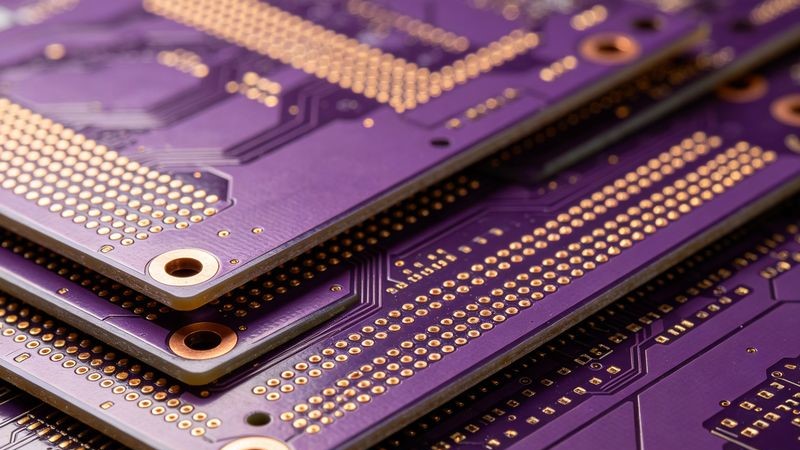
US memory race: Micron builds Idaho & NY fabs for DRAM/HBM4. SK hynix builds Indiana packaging for HBM.
U.S. Memory Chip Manufacturing: The Capacity Race Between Micron and SK hynix
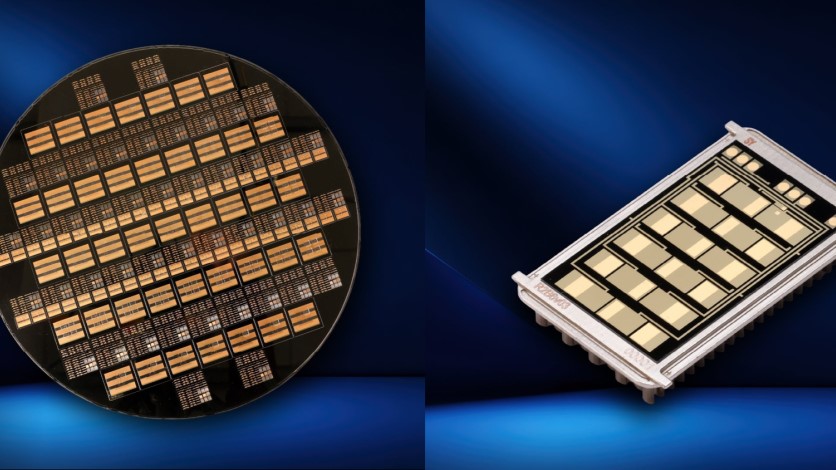
onsemi EPP uses 12-inch silicon wafers to package SiC/GaN power chips, eliminating wire bonding. It cuts AI breaker size 50% and EV loss 15%.
onsemi EPP Platform: Reconstructing Power Packaging Architecture with 12-Inch Silicon Wafers